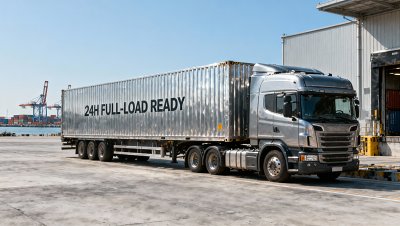
Erenhot Highway Port Launches 24/7 Freight Clearance
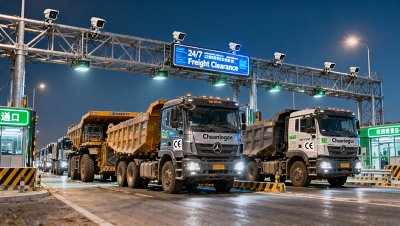
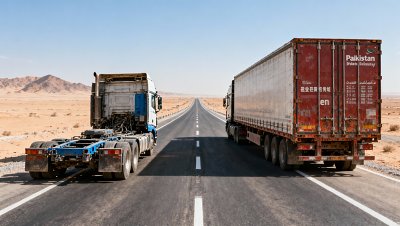
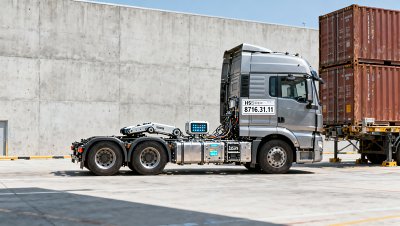
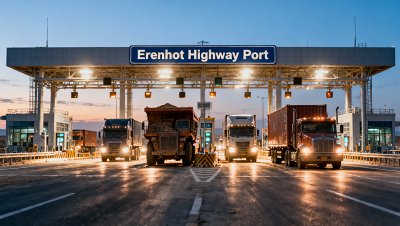
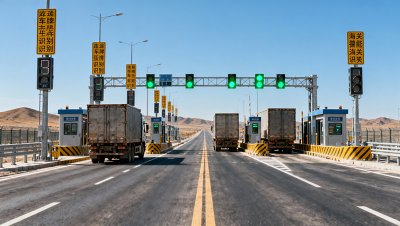
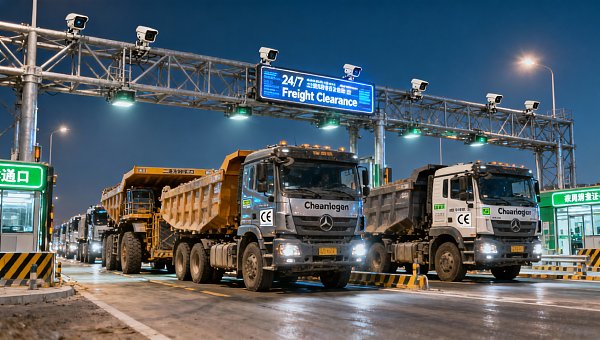
On May 15, 2026, Erenhot Highway Port in Inner Mongolia Autonomous Region commenced full-scale 24-hour freight clearance operations — a policy shift expected to significantly reshape cross-border logistics and heavy-duty vehicle export dynamics along the China–Mongolia corridor.
Event Overview
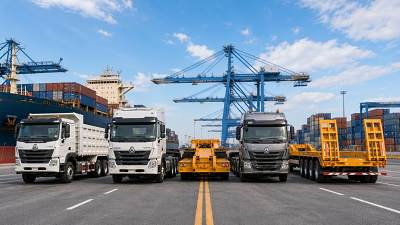
According to a joint announcement by the Department of Commerce of Inner Mongolia Autonomous Region and Hohhot Customs on May 20, Erenhot Highway Port has implemented常态化 24-hour freight clearance since May 15. Field measurements show that average clearance time for Chinese-made tractor units and dump trucks exported to Mongolia dropped from 18.6 hours to 11.2 hours — a 40% improvement. The port simultaneously launched a dedicated inspection lane for heavy-duty trucks and a green customs window for new energy vehicles, enabling separate customs declaration for critical components such as battery packs and electronic control systems.
Industries Affected
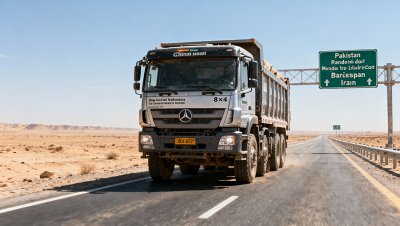
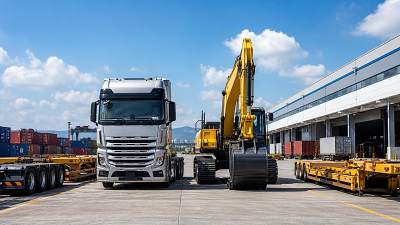
Direct Trading Enterprises: Exporters of complete heavy-duty vehicles (e.g., Class 8 tractors, mining dump trucks) face reduced dwell time at the border, lowering demurrage costs and improving delivery predictability. The 40% clearance acceleration directly supports just-in-time delivery commitments to Mongolian mining and construction firms — though this benefit applies only to shipments routed via Erenhot Highway Port, not rail or other land ports.
Raw Material Procurement Enterprises: Suppliers sourcing steel, axles, or chassis components for export-oriented OEMs may experience tighter lead-time expectations downstream. Faster border throughput increases pressure to align domestic supply schedules with accelerated outbound logistics — especially where final assembly occurs near the port zone.
Manufacturing Enterprises: Vehicle OEMs and Tier-1 suppliers producing for the Mongolian market gain flexibility in production planning and inventory deployment. The introduction of component-level customs clearance (e.g., standalone battery pack declarations) enables modular export strategies — allowing partial shipments of high-value subsystems ahead of full-vehicle delivery. However, this requires updated internal compliance protocols and harmonized HS code classification across parts.
Supply Chain Service Providers: Freight forwarders, customs brokers, and bonded warehousing operators must adapt to new operational windows and documentation requirements. The ‘green window’ for new energy vehicle components implies demand for bilingual technical documentation, battery safety certification verification (e.g., UN38.3), and real-time coordination with customs IT systems — capabilities not uniformly available among regional service providers.
Key Considerations and Recommended Actions
Leverage the Dedicated Heavy-Duty Truck Lane Strategically
Exporters should pre-register vehicle VINs and cargo manifests with customs through the single-window system to avoid bottlenecks during peak night shifts. Priority lane access is conditional on advance data submission — not merely physical presence.
Validate Component-Level Declaration Eligibility
Before separating battery packs or e-control units for independent customs filing, enterprises must confirm tariff classification alignment with General Administration of Customs Notice No. 52 (2025) on EV subsystems. Misclassification risks re-inspection or delayed release — negating time savings.
Align Domestic Logistics Schedules with 24/7 Clearance Windows
Trucking fleets and inland depots serving Erenhot must adjust shift patterns and yard management to support off-peak arrivals. Nighttime clearance capacity remains constrained by staffing levels at supporting facilities (e.g., weigh stations, container yards), not just customs checkpoints.
Editorial Perspective / Industry Observation
Analysis shows this policy is less about broad tariff liberalization and more about targeted infrastructure optimization — a pragmatic response to persistent congestion at land borders amid rising Mongolia-bound heavy equipment exports. Observably, the 40% clearance gain reflects process digitization and lane segmentation rather than regulatory relaxation. From an industry perspective, it signals growing prioritization of ‘export-ready’ logistics enablers over macro-level trade agreements — especially for capital goods requiring physical inspection. Current evidence does not suggest immediate spillover to other China–Mongolia ports; Erenhot’s success will likely serve as a pilot model, not a blueprint.
Conclusion
This operational upgrade marks a material step toward de-risking cross-border heavy vehicle supply chains in Northern Asia — but its impact remains channel-specific and execution-dependent. A rational assessment suggests medium-term benefits for exporters with established Erenhot routing, while underscoring structural gaps in end-to-end visibility and inter-agency data sharing across the Mongolia transit corridor.
Source Attribution
Official statement issued jointly by the Department of Commerce of Inner Mongolia Autonomous Region and Hohhot Customs, published May 20, 2026. Data cited reflects field measurements conducted between May 15–19, 2026. Ongoing monitoring is advised for: (1) sustainability of 24/7 staffing levels beyond Q3 2026; (2) expansion of component-level clearance to non-EV subsystems; (3) integration with Mongolia’s National Single Window platform.
Trending News
- Logging Truck Price in 2026: What Affects Total Ownership Cost?
- Crane Truck Cost Breakdown: Chassis, Boom, and Compliance Fees
- How to Compare a Logging Truck Distributor by Service Coverage
- Choosing a Water Truck Supplier for Dust Control Projects
- Water Truck Exporter Selection: Key Delivery and Compliance Risks
Tag
Recommended News
 Truck ExportWater Truck Exporter Selection: Key Delivery and Compliance RisksWater truck exporter selection now demands more than price checks. Learn the key delivery, compliance, and after-sales risks that can delay projects and raise total costs.
 Truck ExportHow to Verify a Reliable Truck Parts Exporter Before OrderingTruck parts exporter verification starts with legal compliance, quality control, and export capability. Learn practical checks to reduce sourcing risk and order with confidence.
 Truck ExportErenhot Highway Port Launches 24/7 Freight ClearanceErenhot Highway Port now offers 24/7 freight clearance — boosting efficiency for heavy-duty vehicle exports, cutting clearance time by 40% and enabling component-level customs processing.
 Truck ExportIran Launches Rail-Based Crude Oil Containerized Transport with Chinese-Made Tank Semi-TrailersIran launches rail-based crude oil containerized transport using Chinese-made tank semi-trailers—key for narrow-gauge rail equipment suppliers, energy logistics & multimodal integrators.
 Truck ExportWuhan Central Asia Railway Express Hits 103 Trains in April 2026Wuhan Central Asia Railway Express hits 103 trains in April 2026 — traction vehicles & specialized semi-trailers drive 37% of cargo. Discover logistics insights for陆路运输设备 exporters.
 Truck ExportHow to Vet a Construction Machinery Exporter for Overseas OrdersConstruction machinery exporter selection made easier: learn how to verify compliance, quality control, delivery reliability, and after-sales support for safer overseas orders.
 Truck ExportPakistan Opens 6 Land Routes to Iran, Cutting China Heavy-Truck Transit to 6 HoursPakistan opens 6 land routes to Iran—cutting China heavy-truck transit from Gwadar to Iranian sites to just 6 hours. Game-changer for陆路运输设备 exporters, OEMs & logistics firms.
 Truck ExportIran Launches Rail-Based Crude Oil Containerization with Chinese-Made Tank TrailersIran adopts Chinese-made 40-ft rail tank trailers for crude oil containerization—enhancing safety, bypassing Hormuz risks, and setting new standards in陆路运输设备 logistics.
 Truck ExportPakistan Opens 6 Land Corridors to Iran, Cutting China-Iran Heavy-Truck Transit to 6 HoursPakistan opens 6 land corridors to Iran—cutting China-Iran heavy-truck transit to just 6 hours. Boost reliability, bypass Hormuz risks & optimize logistics now.
 Truck ExportLow Bed Trailer Export with Waterproof Features: What Buyers Often MissLow bed trailer export with waterproof features: discover the hidden sealing, drainage, wiring, and coating details buyers often miss to reduce corrosion, downtime, and costly post-delivery issues.
 Truck ExportHeavy Equipment Export to Mexico: Key Compliance and Import RisksHeavy equipment export to Mexico demands strict compliance. Learn key import risks, document checks, and supplier evaluation tips to avoid delays, reduce costs, and enter the market with confidence.
 Truck ExportWuhan Central Asia Railway Express Hits 103 Trains in April 2026Wuhan Central Asia Railway Express hits 103 trains in April 2026 — traction vehicles & specialized trailers drive 37% of export value. Key insight for heavy equipment exporters and rail logistics providers.
 Truck ExportLow Bed Trailer Export to Southeast Asia: Specs That Avoid Clearance DelaysLow bed trailer export to Southeast Asia starts with the right specs. Learn which dimensions, axle setups, deck heights, and documents help avoid clearance delays and cut costly port risks.
 Truck ExportHeavy Equipment Export for Mining Operations: Key Cost and Delivery RisksHeavy equipment export for mining operations: uncover total landed cost, delivery risks, and supplier reliability to avoid delays, control budgets, and source smarter for mining projects.
 Truck ExportWuhan Central Asia Railway Hits 102 Trains in One MonthWuhan Central Asia Railway hits 102 trains in April 2026 — a record boost for land transport equipment exports, especially tractor units and semi-trailers. Discover key compliance & logistics insights.
 Truck ExportDelivery Truck Supplier in USA: Cost, Lead Time, and ComplianceDelivery truck supplier in USA: compare total cost, lead time, and compliance requirements to choose a reliable partner, reduce fleet risk, and source trucks with greater confidence.
 Truck ExportIran Customs Launches New HS Code System for TrailersIran Customs' new 2026 HS code system for trailers introduces smart coupling and new-energy subcodes — vital for China-based陆路运输设备 exporters seeking faster clearance & tariff advantages.
 Truck ExportErenhot Highway Port Switches to 24-Hour Freight ClearanceErenhot Highway Port now offers 24-hour freight clearance—boosting efficiency for land transport equipment exports to Mongolia, Russia & Central Asia.
 Truck ExportIran Eases Hormuz Strait Passage, Boosting Heavy Transport Equipment ExportsHeavy transport equipment exporters gain reliability: Iran eases Hormuz Strait passage, cutting delays, insurance costs, and demurrage for GCC-bound shipments.
 Truck ExportPakistan Opens 6 Land Freight Corridors to IranPakistan opens 6 land freight corridors to Iran—key opportunity for heavy-duty truck manufacturers, semi-trailer exporters & logistics providers leveraging China–Iran transit via Gwadar.
 Truck ExportHeavy Equipment Export to Africa: Cost Risks and Market PrioritiesHeavy equipment export to Africa starts with market fit. Discover cost risks, priority sectors, and smarter sourcing strategies for trucks, trailers, and machinery.
 Truck ExportExcavator Exporter Checklist for Delivery, Parts, and ComplianceExcavator exporter checklist for delivery, parts, and compliance—learn how to reduce risk, avoid delays, and choose a reliable supplier for global equipment sourcing.
 Truck ExportErenhot-Mongolia Highway Port Hits 24-Hour Freight Clearance MilestoneErenhot-Mongolia Highway Port achieves 24-hour freight clearance — heavy-duty trucks now clear customs in just 18 minutes. Boost cross-border logistics efficiency today.
 Truck ExportIran Customs Launches 2026 HS Code System, Affecting Trailer Exports from ChinaIran's 2026 HS Code update speeds trailer exports from China—skeletal & low-bed semi-trailers now cleared 22% faster. Act now to ensure compliance & avoid delays.
 Truck Export24-Hour Full-Load Transport Covers 92% of China’s Prefectural Cities24-hour full-load transport now covers 92% of China’s prefectural cities — enabling next-day factory-to-port delivery for trailers, chassis & heavy-duty equipment.