
‹
›
‹
›
In recent years, the global commercial vehicle industry has been undergoing a profound transformation. Among the most significant changes is the rapid development of electric heavy trucks. As the backbone of global logistics and freight transportation, heavy trucks have traditionally relied on diesel engines for power. However, growing environmental concerns, stricter emission regulations, and rising fuel costs are pushing the industry toward cleaner alternatives.
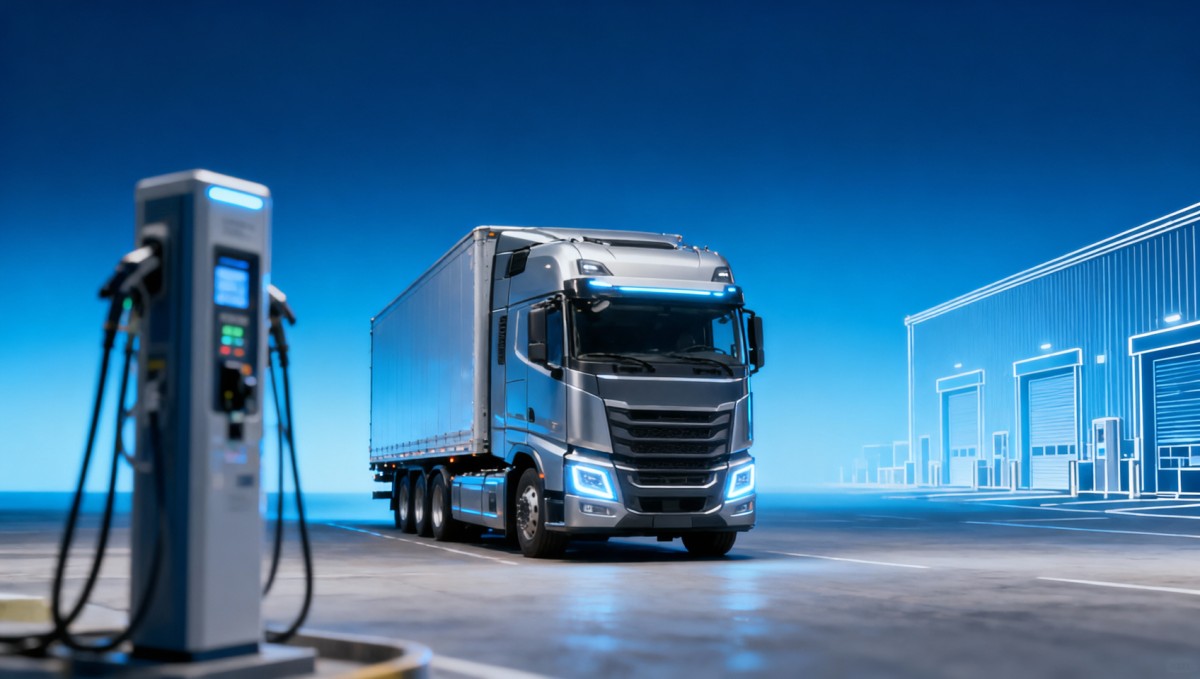
Across major logistics markets including China, Europe, and North America, electric heavy trucks are moving beyond early pilot programs and entering a stage of broader commercial deployment. Industry analysts suggest that electrification may represent one of the most significant turning points in the heavy truck industry over the next decade.
According to recent industry reports, the sales volume of electric heavy trucks has grown significantly between 2024 and 2026. China currently leads the global market in electric heavy truck adoption, largely due to strong government policy support and the rapid expansion of charging infrastructure. Many logistics operators are deploying electric trucks for port transportation, mining operations, and fixed-route urban logistics.
Europe is also accelerating its transition toward zero-emission freight transport. Several major logistics companies have begun integrating electric trucks into their fleets in order to meet sustainability targets and comply with stricter emissions regulations set by the European Union. Governments across Europe have introduced incentives and subsidies aimed at encouraging the adoption of electric commercial vehicles.
One of the key drivers behind the growth of electric heavy trucks is the rapid advancement of battery technology. Modern battery systems now provide significantly improved energy density, enabling electric trucks to achieve longer driving ranges. Many newly introduced electric heavy truck models can now reach ranges between 300 and 500 kilometers per charge, which is sufficient for a wide range of regional and short-haul logistics operations.
In addition to technological advancements, operational cost savings are becoming an important factor driving adoption. Although the upfront purchase price of electric trucks is still higher than traditional diesel trucks, their long-term operating costs can be lower. Electricity is generally cheaper than diesel fuel, and electric trucks have fewer mechanical components, which reduces maintenance costs over time.
Logistics companies that have already deployed electric trucks report that they can significantly reduce fuel expenses while improving fleet efficiency. With the support of intelligent fleet management systems, operators can monitor battery usage, optimize charging schedules, and improve overall transportation efficiency.
Major truck manufacturers are actively investing in electric vehicle development. Both traditional heavy truck manufacturers and emerging electric vehicle companies are racing to introduce competitive electric truck models. Many companies are focusing on improving electric drivetrain efficiency, battery durability, and charging technology to further enhance vehicle performance.
Despite the rapid growth, challenges remain. One of the biggest obstacles is the development of charging infrastructure. While many logistics hubs and industrial parks have installed charging stations, the overall charging network still needs further expansion. Long-distance freight transportation also presents challenges for electric trucks due to charging time and range limitations.
In addition to battery electric trucks, hydrogen fuel cell trucks are gaining attention as another potential solution for long-haul transportation. Hydrogen-powered trucks offer faster refueling times and longer driving ranges compared to battery-electric vehicles. Some industry experts believe that hydrogen trucks could play an important role in future long-distance logistics networks.
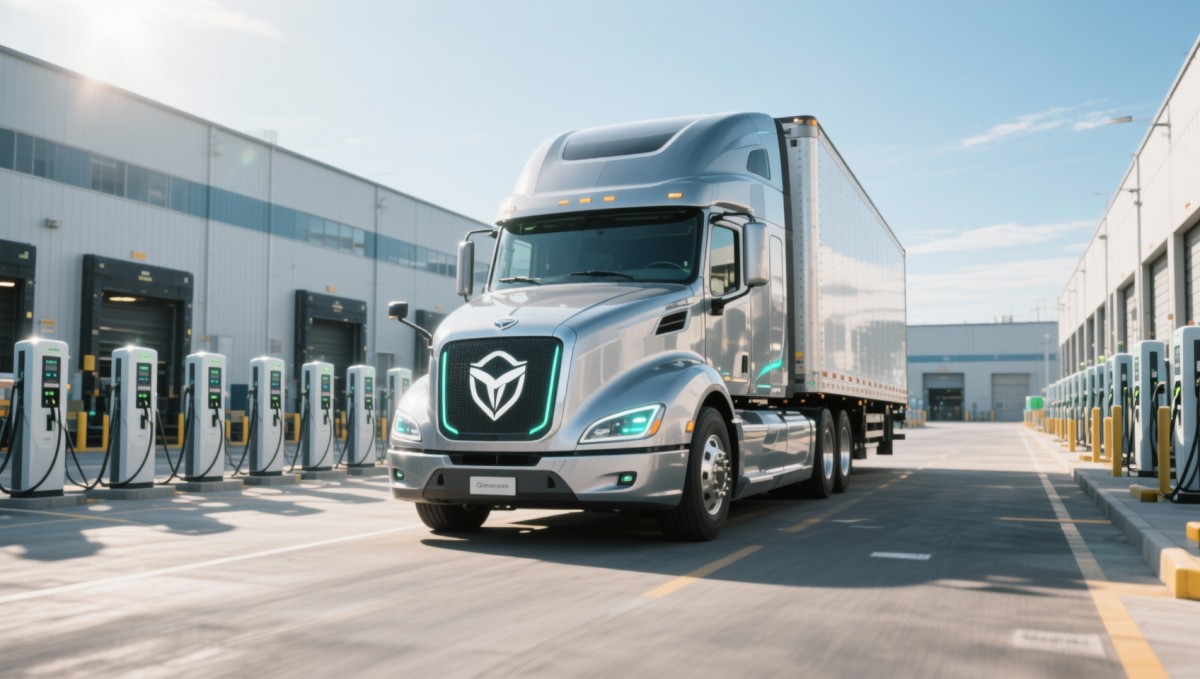
Looking ahead, the electrification of heavy trucks is expected to accelerate as governments introduce stricter environmental regulations and companies seek more sustainable transportation solutions. The heavy truck industry is gradually shifting toward a cleaner, more efficient, and more technologically advanced future.
For truck manufacturers, logistics companies, and technology providers, the transition toward electric trucks presents both opportunities and challenges. Those who invest early in new technologies and infrastructure will likely gain a competitive advantage in the evolving commercial vehicle market.
As the global transportation industry continues its shift toward sustainability, electric heavy trucks are expected to become a crucial component of the future logistics ecosystem.
Shandong Sinotrukexp Industry Co., Ltd
TEL: +86-531-18661775736
Mobile/WeChat/Whatsapp: +86-18661775736