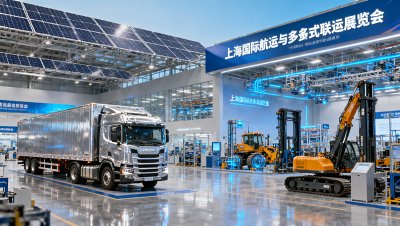
74th AMR Beijing Expo Launches with New EU & US Certification Zone
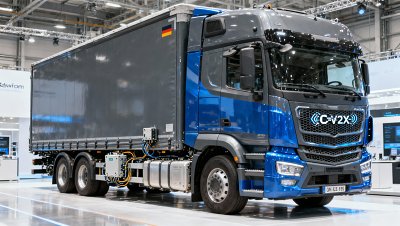
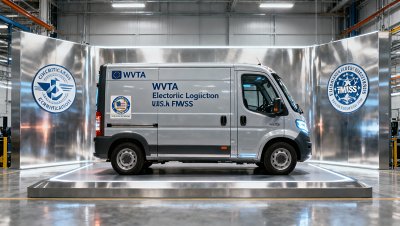
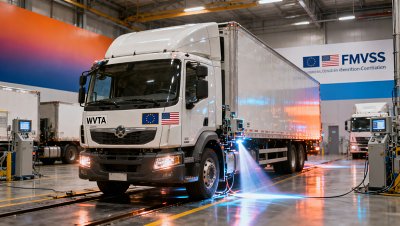
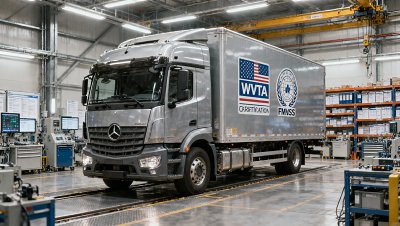
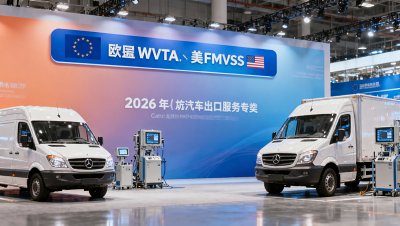
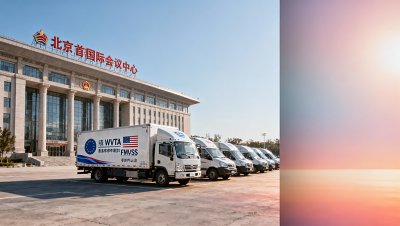
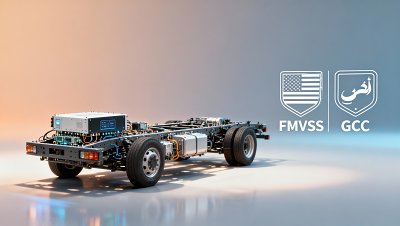
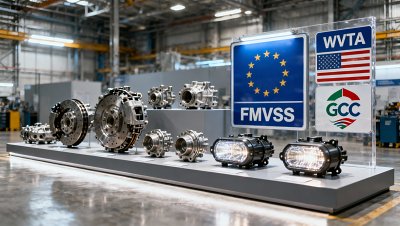
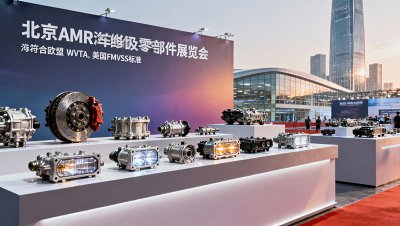
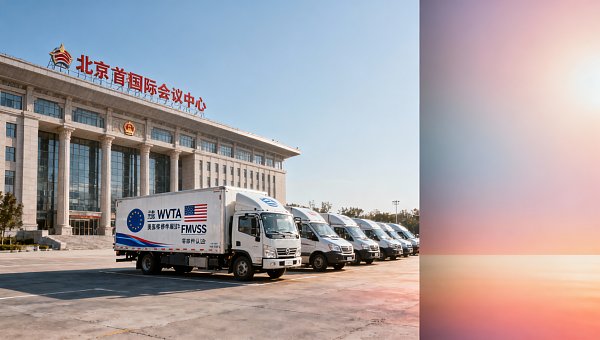
The 74th AMR China International Auto Maintenance & Parts Expo opened on April 13–15, 2026 at Beijing Capital International Convention Center, featuring a dedicated 'Overseas Certification Adaptation Zone' for the first time. This development is particularly relevant for commercial vehicle exporters, component manufacturers, and compliance service providers navigating EU WVTA, US FMVSS, and ASEAN UN R155 requirements.
Event Overview
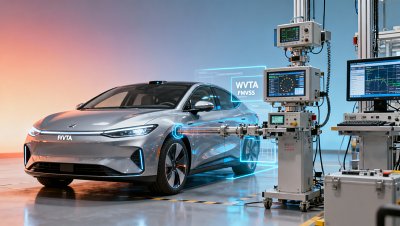
The 2026 AMR Expo introduced a specialized zone addressing certification barriers for Chinese exporters, with on-site technical support from multiple testing agencies covering WVTA whole-vehicle type approval, FMVSS safety standards, and UN R155 cybersecurity protocols for ASEAN markets.
Impacted Industry Segments
Commercial Vehicle Exporters
Manufacturers targeting EU/US markets now face streamlined compliance processes through pre-evaluation services, potentially reducing certification lead times by 30–60 days for WVTA and FMVSS approvals.
Component Suppliers
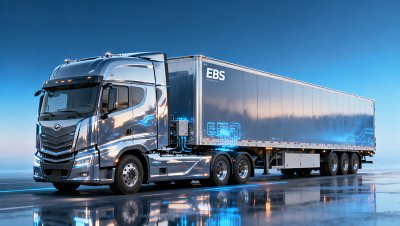
Tier 2–3 suppliers must align with updated technical documentation requirements, particularly for braking systems (FMVSS 121) and lighting components (WVTA Annex II).
Certification Service Providers
Increased demand for localized compliance solutions is expected, especially for small-medium enterprises lacking in-house expertise on UN R155 cybersecurity requirements.
Key Action Points
Prioritize Certification Mapping
Exporters should conduct gap analyses against WVTA (EU 2018/858) and FMVSS Title 49 CFR 571 standards before Q3 2026 product development cycles.
Leverage On-Site Resources
The expo's participating agencies like CATARC and TÜV SÜD offered temporary technical clinics—a model likely to continue at regional trade shows.
Monitor ASEAN Updates
With UN R155 implementation accelerating, exporters to Thailand and Vietnam should track CSMS (Cyber Security Management System) adoption timelines.
Industry Perspective
From an industry viewpoint, the dedicated zone signals China's strategic shift toward compliance-driven exports rather than pure cost competition. While not yet a systemic change, it reflects growing buyer insistence on certified products in key markets. The concurrent presence of EU Notified Bodies and NHTSA-recognized labs suggests this may evolve into permanent trade facilitation infrastructure.
Conclusion
This development represents a pragmatic response to tightening global automotive regulations. Rather than signaling immediate policy shifts, it provides practical tools for exporters to navigate existing requirements. The true impact will depend on sustained implementation beyond the expo's duration.
Sources
• AMR Expo 2026 Official Bulletin
• EU Commission Delegated Regulation 2018/858
• NHTSA FMVSS Standards (49 CFR 571)
• Ongoing: ASEAN UN R155 implementation timelines
Trending News
- Cab Chassis Truck for Fire Department: Key Specs Before Ordering
- When to Use an Excavator With Long Reach Boom on Site
- Choosing a Water Truck Factory for Municipal and Mining Projects
- Truck Parts Wholesale: How to Balance Price, Quality, and Lead Time
- Crane Truck Price in 2026: What Drives Total Ownership Cost
Tag
Recommended News
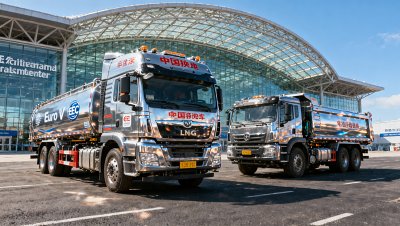
 Truck Events & Exhibitions10th China-Russia Expo Highlights Heavy-Duty & NEV TrucksHeavy-duty & NEV trucks take center stage at the 10th China–Russia Expo—unlocking new export opportunities, regulatory alignment, and LNG/battery-swap innovations for陆路运输设备 manufacturers.
 Truck Events & ExhibitionsTC521 Committee Advances National Standard for Smart Heavy Truck Remote Diagnosis Data InterfaceTC521 Committee advances the Smart Heavy Truck Remote Diagnosis Data Interface standard, mandating ISO 27145 & ACEA compliance for EU exports. Learn how this impacts manufacturers and telematics providers before the 2026 deadline.
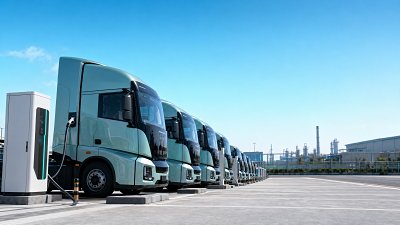
 Truck Events & ExhibitionsShandong Jining Builds 132 EV Truck Charging Stations: China's New Energy Infrastructure Model Gains Global AttentionShandong Jining's 132 EV truck charging stations showcase China's leadership in new energy infrastructure. With 50,000 kWh daily capacity & ultra-fast charging, this model attracts global interest from Vietnam, Chile & South Africa, creating export opportunities for Chinese charging tech.
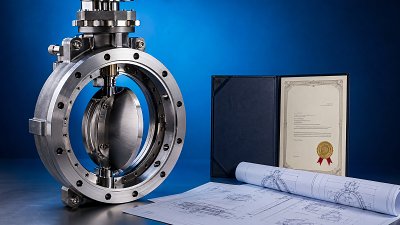
 Truck Events & ExhibitionsAmos Fluid Secures Patent for Triple-Offset Butterfly Valve: Accelerating Localization of Commercial Vehicle Control ValvesAmos Fluid's patented Triple-Offset Butterfly Valve accelerates localization in commercial vehicle control systems, offering IP67 protection and wide temperature range for pneumatic and hydraulic applications. A breakthrough in cost-effective OEM solutions.
 Truck Events & ExhibitionsChina's 2026 Subsidy for Retiring Old Trucks Boosts EV Heavy-Duty DemandChina's 2026 subsidy for retiring old trucks boosts EV heavy-duty demand, offering up to 120,000 yuan per vehicle. Discover how this policy accelerates electric truck production and impacts global EV component exports.
 Truck Events & ExhibitionsCMA-Certified Labs Must Adopt LIMS by 2026: Compliance Upgrade for Export TestingCMA-certified labs must implement LIMS by 2026 for export testing compliance. Learn how this impacts automotive, food, and product exports to EU & ASEAN markets. Get actionable steps to avoid supply chain disruptions.
 Truck Events & ExhibitionsChery Unveils Europe-Designed Smart Commercial Vehicle Platform at Birmingham Motor Show 2026Chery's Europe-designed smart commercial vehicle platform debuts at Birmingham Motor Show 2026 — UK-spec, German-engineered, ECE R155-certified, and C-V2X ready for EU/UK fleet operators.
 Truck Events & ExhibitionsAMR Beijing Expo Launches EU WVTA & US FMVSS Certification Zone for Chinese Transport Equipment ExportAMR Beijing Expo 2026 launches EU WVTA & US FMVSS certification zone, helping Chinese transport equipment exporters overcome compliance barriers. Get on-site assessments & expedited channels for commercial vehicles and smart logistics tech.
 Truck Events & ExhibitionsAMR Beijing Expo Launches EU WVTA & US FMVSS Certification Zone for Land Transport Equipment ExportAMR Beijing Expo 2026 launches dedicated EU WVTA & US FMVSS certification zones to streamline land transport equipment exports. Get faster market access for trucks, smart vehicles & components with on-site compliance solutions.
 Truck Events & ExhibitionsAMR Beijing Expo Launches EU WVTA & US FMVSS Certification Zone for China's Transport Equipment ExportAMR Beijing Expo 2026 introduces EU WVTA & US FMVSS Certification Zone to boost China's transport equipment exports. A game-changer for commercial vehicles, smart transport & exporters targeting欧美 markets with streamlined compliance solutions.
 Truck Events & ExhibitionsAMR Beijing Expo 2026 to Feature EU WVTA & US FMVSS Certification ZoneAMR Beijing Expo 2026 introduces EU WVTA & US FMVSS Certification Zone, helping Chinese auto exporters streamline compliance for欧美markets. Discover key services for commercial vehicles & components from April 13-15, 2026.
 Truck Events & ExhibitionsAMR Beijing Expo 2026 to Feature EU WVTA & US FMVSS Compliance ZoneAMR Beijing Expo 2026 introduces EU WVTA & US FMVSS Compliance Zone, helping automotive exporters overcome certification barriers. Discover time-saving homologation solutions for faster market entry.
 Truck Events & Exhibitions74th AMR Beijing Expo Launches EU WVTA & US FMVSS Zone for Commercial Vehicle Export ComplianceDiscover pre-certified EU WVTA & US FMVSS commercial vehicles at 74th AMR Beijing Expo. Streamline export compliance with verified Chinese light trucks, NEV bodies & smart braking systems for global buyers.
 Truck Events & Exhibitions74th AMR Beijing Expo Launches with New EU & US Certification ZoneThe 74th AMR Beijing Expo introduces a new EU & US Certification Zone, helping commercial vehicle exporters and component manufacturers navigate WVTA, FMVSS & UN R155 compliance. Discover streamlined solutions for global market access.
 Truck Events & Exhibitions74th AMR Beijing Show Launches Overseas Certification Zone for EU and US ComplianceDiscover the 74th AMR Beijing Show's new Overseas Certification Zone for EU & US compliance, featuring WVTA-approved chassis, FMVSS systems & GCC components. Essential for automotive exporters navigating global regulations.
 Truck Events & ExhibitionsAMR Beijing Expo 2026 to Feature Overseas Certification Zone for Auto PartsAMR Beijing Expo 2026 introduces an Overseas Certification Zone for auto parts, helping manufacturers comply with EU WVTA, US FMVSS & Gulf GCC standards. Discover certified suppliers & navigate global trade compliance.
 Truck Events & Exhibitions74th AMR Beijing Expo Launches Overseas Certification Zone for EU, US Compliance74th AMR Beijing Expo debuts Overseas Certification Zone for EU & US compliance, showcasing China's automotive products meeting WVTA, FMVSS & GCC standards. Essential for exporters & distributors navigating global regulations. Discover streamlined solutions!
 Truck Events & Exhibitions74th AMR Beijing Expo Focuses on Commercial Vehicles & Smart LogisticsExplore the 74th AMR Beijing Expo's focus on commercial vehicles & smart logistics, featuring new international certification services for ECE R13H, UN R155 & EU Level IV compliance. Essential for global automotive exporters.
 Truck Events & Exhibitions74th AMR Auto Maintenance Expo: Focus on Overseas Certifications & Smart LogisticsExplore the 74th AMR Auto Maintenance Expo's focus on overseas certifications & smart logistics. Discover EU/UN-compliant commercial vehicles, smart EBS systems, and expedited export approvals with SGS/TÜV Rheinland. Essential for global automotive aftermarket players.
 Truck Events & ExhibitionsISL Expo 2026 Shanghai: Key Impacts on 15 Export IndustriesDiscover how ISL Expo 2026 Shanghai will transform 15 key export industries including new energy and construction machinery. Learn about customized transport solutions, regulatory compliance, and smart logistics opportunities at this premier international shipping event.