Truck Cement Demand Is Reshaping Mixer Truck Specifications
As truck cement demand rises across infrastructure and municipal projects, buyers are rethinking mixer truck specifications alongside related equipment such as hydraulic pump systems, truck trailer solutions, truck tipper models, and wheel loader support. For procurement teams, distributors, and market researchers, understanding how truck concrete transport trends influence capacity, durability, and operating efficiency is becoming essential for smarter sourcing and commercial evaluation.
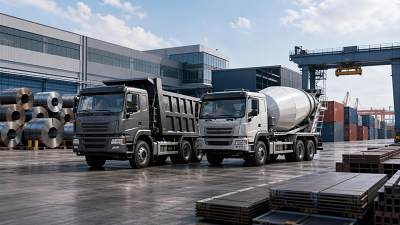
The short answer is clear: growing demand for truck-delivered cement and concrete is no longer just increasing order volume; it is changing what buyers should require from mixer trucks. Higher utilization, tougher jobsite conditions, tighter delivery windows, and pressure on operating cost are pushing the market toward more application-specific specifications. For buyers and channel partners, the real opportunity is not simply sourcing more units, but selecting mixer truck configurations that better match payload expectations, route conditions, discharge efficiency, maintenance capability, and total lifecycle value.
What is the real market signal behind rising truck cement demand?
For information researchers and procurement teams, the key insight is that rising truck cement demand usually reflects a broader shift in project mix rather than a single-product trend. Infrastructure expansion, urban roadwork, municipal utilities, industrial parks, housing construction, and regional batching plant growth all increase the need for reliable concrete transport. That creates direct pressure on mixer truck specification decisions.
In practical terms, buyers are seeing several simultaneous changes:
- Higher daily trip frequency for ready-mix delivery fleets
- More operation in congested urban or mixed road environments
- Stronger need for uptime and faster discharge cycles
- Greater concern over payload efficiency and axle compliance
- Closer integration between mixer trucks and supporting machinery on site
This means demand is not only about “more cement trucks.” It is about selecting trucks that can handle heavier workloads, reduce idle time, and stay operational under difficult commercial conditions. For distributors and business evaluators, this is where product differentiation becomes meaningful.
Which mixer truck specifications are being reshaped most?
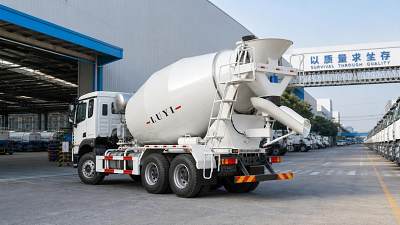
When truck cement demand rises, specification priorities usually shift from basic availability to performance under sustained use. The most affected areas include drum capacity, chassis configuration, engine and transmission matching, hydraulic performance, wear resistance, and unloading efficiency.
1. Drum volume and effective payload
A larger nominal drum does not always deliver better business value. Buyers increasingly compare nominal capacity with legal payload limits, route distance, road restrictions, and concrete slump requirements. In some regions, a moderate-capacity mixer truck with better trip efficiency and lower overload risk can outperform a larger but less compliant unit.
2. Chassis strength and axle layout
As projects expand into varied terrain, chassis durability matters more. Frame strength, suspension design, axle load distribution, and braking performance are under closer scrutiny. Fleets operating on municipal roads may prioritize maneuverability, while quarry-linked or peri-urban operations may need stronger load-bearing support.
3. Hydraulic system reliability
The hydraulic pump system directly affects drum rotation stability, discharge control, and operating continuity. Under high utilization, weak hydraulic components quickly become a cost center. Buyers are paying more attention to pump brand, sealing quality, thermal performance, and serviceability.
4. Drum material and wear resistance
Frequent transport of abrasive concrete mixes increases wear on the drum, blades, and discharge chute. Material thickness, steel grade, anti-corrosion treatment, and welding quality are now major evaluation points, especially for buyers concerned with long-term resale or fleet maintenance cost.
5. Powertrain matching
Higher demand often means more stop-start driving, varied gradients, and tighter delivery schedules. An improperly matched engine and transmission can increase fuel use, reduce mixing stability, and shorten service life. Buyers should evaluate torque characteristics, fuel economy, driveline durability, and ease of maintenance instead of focusing only on horsepower figures.
How should buyers evaluate capacity: bigger mixer truck or better operating fit?
One of the most common sourcing mistakes is assuming that bigger capacity automatically creates better returns. In reality, the right specification depends on delivery radius, project type, road limitations, and dispatch efficiency.
Procurement teams should assess:
- Average transport distance: Longer routes may justify higher capacity if road regulations permit.
- Urban accessibility: Narrow roads and frequent turning often favor more compact configurations.
- Batching plant output rhythm: Truck specification should match loading and dispatch tempo.
- Site unloading conditions: Difficult access or uneven terrain may favor a more stable and agile truck.
- Fleet utilization target: High-frequency operation requires stronger component durability, not just larger volume.
For commercial decision-makers, the best buying logic is to compare revenue per legal load, trips per day, fuel consumption, maintenance intervals, and expected downtime. This creates a more realistic view of total operating efficiency than nominal drum size alone.
Why are hydraulic pump systems becoming a key buying factor?
As truck concrete transport becomes more demanding, hydraulic systems are moving from a secondary technical detail to a frontline procurement issue. The hydraulic pump system determines how smoothly the drum rotates during transport and how efficiently material is discharged at the site.
A poor hydraulic setup can lead to:
- Unstable drum speed
- Higher risk of material segregation
- Increased downtime from overheating or leakage
- More frequent maintenance interventions
- Reduced control during discharge
For buyers, the evaluation should go beyond catalog claims. Ask suppliers about operating temperature performance, component origin, service network availability, spare parts lead time, and maintenance access. For distributors, hydraulic reliability is also a major aftersales issue that influences customer retention and repeat business.
How do related vehicles and equipment affect mixer truck specification choices?
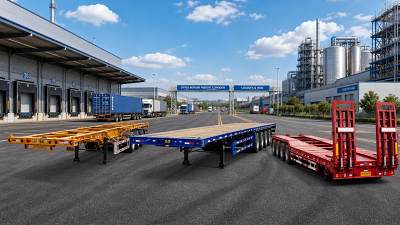
Mixer trucks do not operate in isolation. In many real projects, their effectiveness depends on coordination with truck trailer assets, truck tipper units, wheel loaders, and site-level material handling equipment. That is why serious buyers increasingly evaluate mixer truck specifications within a broader fleet ecosystem.
Truck trailer solutions
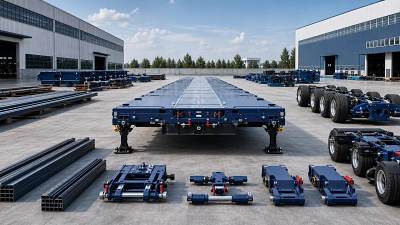
Where bulk materials, aggregates, or cement inputs are being moved in parallel, trailer compatibility matters at the operational planning level. Buyers managing integrated construction supply chains often need consistent fleet standards for maintenance, driver familiarity, and parts procurement.
Truck tipper models
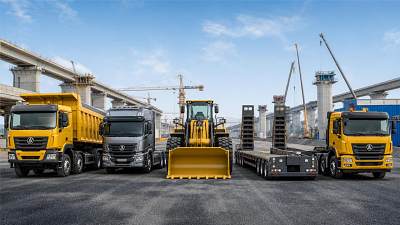
In infrastructure and earthwork-heavy projects, tippers and mixer trucks may serve the same site with different duty cycles. Procurement teams often compare chassis robustness, axle options, and body durability across both categories to simplify fleet management and improve supplier leverage.
Wheel loader support
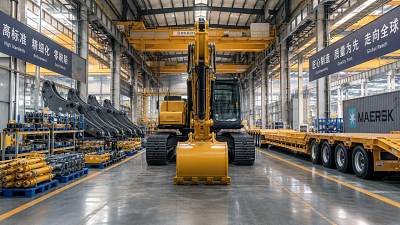
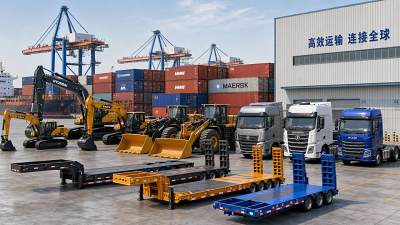
Wheel loaders affect loading rhythm, site traffic flow, and jobsite readiness. If projects involve rough terrain, temporary roads, or heavy material movement, mixer truck selection may need to account for stronger suspension, better ground clearance, and durable underbody protection.
This cross-equipment perspective is especially valuable for distributors and sourcing managers serving contractors, municipal buyers, and infrastructure developers.
What risks should procurement teams watch when comparing suppliers?
In a growing market, supply can expand quickly, but specification quality does not always keep pace. Buyers should be careful of offers that look competitive on price but underperform in long-term value.
The main risks include:
- Inflated capacity claims: Nominal drum volume may not equal usable volume under legal load conditions.
- Weak chassis adaptation: Some units are not properly matched to actual mixer body demands.
- Low-grade wear materials: This increases repair frequency and shortens service life.
- Limited spare parts support: Downtime risk rises sharply when parts are hard to source.
- Unclear compliance documentation: This can affect import, registration, or project approval.
Procurement and business evaluation teams should request detailed specification sheets, component brand lists, material data, warranty terms, and reference cases in similar operating conditions. If possible, they should also compare lifecycle assumptions rather than only initial unit pricing.
What makes a mixer truck commercially attractive for distributors and market evaluators?
For channel partners and commercial analysts, the most attractive mixer truck products are not always the cheapest or the highest-capacity models. The strongest market potential often belongs to units that balance broad application fit with clear operating advantages.
Key commercial indicators include:
- Strong compatibility with common regional project requirements
- Reliable core components with stable supply chains
- Clear positioning by capacity and road condition scenario
- Manageable aftersales service requirements
- Competitive total cost of ownership for end users
Distributors should also look for suppliers that can provide technical documentation, multilingual support, spare parts consistency, and flexible product combinations across mixer trucks, truck tipper units, trailers, and construction machinery. This is especially important in international B2B trade, where product support affects trust as much as product price.
How should buyers make better sourcing decisions as demand continues to grow?
The best approach is to move from generic vehicle buying to scenario-based sourcing. Instead of asking only for a cement mixer truck quotation, buyers should define the actual duty profile first.
A practical decision framework includes:
- Identify core application: municipal, infrastructure, industrial, residential, or mixed use
- Define route and road conditions
- Confirm legal payload and axle restrictions
- Evaluate expected daily trips and fleet utilization
- Review hydraulic system and wear-part durability
- Compare maintenance access and parts availability
- Assess fit with related fleet assets such as trailers, tippers, and loaders
- Calculate total lifecycle cost, not just purchase price
This method helps procurement teams reduce specification mismatch, improve asset productivity, and support more reliable supplier selection.
Conclusion: demand growth is changing specifications, not just sales volume
Truck cement demand is reshaping mixer truck specifications because the market now expects more than basic transport capacity. Buyers need trucks that are durable, hydraulically reliable, legally efficient, easier to maintain, and better aligned with real operating scenarios. For procurement teams, distributors, and market researchers, the winning strategy is to evaluate mixer trucks as part of a broader commercial and jobsite system that may also include hydraulic pump systems, truck trailer assets, truck tipper models, and wheel loader support.
In other words, rising demand should not lead to faster buying alone. It should lead to smarter specification decisions. The companies that understand this shift will be better positioned to reduce operating risk, improve equipment utilization, and make stronger long-term sourcing choices in the global heavy truck market.
Trending News
- Cab Chassis Truck for Fire Department: Key Specs Before Ordering
- When to Use an Excavator With Long Reach Boom on Site
- Choosing a Water Truck Factory for Municipal and Mining Projects
- Truck Parts Wholesale: How to Balance Price, Quality, and Lead Time
- Crane Truck Price in 2026: What Drives Total Ownership Cost
Tag
Recommended News
 Market Analysis2026 China Excavator Manufacturers: What Sets the Best ApartExcavator manufacturer in China selection in 2026 goes beyond price. Discover how top brands stand out in quality, export support, durability, and lifecycle value.
 Market AnalysisHeavy Duty Trucks for Sale in Middle East: Cost and Spec TrendsHeavy duty trucks for sale in Middle East: explore 2024–2025 cost shifts, spec trends, and smart sourcing tips to compare suppliers, reduce fleet risk, and improve long-term ROI.
 Market AnalysisDelivery Truck Supplier with Cost-Effective Solutions: 2026 Market OutlookDelivery truck supplier with cost-effective solutions: explore the 2026 market outlook, compare total ownership costs, supplier reliability, and aftersales support to choose smarter fleet investments.
 Market AnalysisFlatbed Trailer Supplier with Modular Design: Flexibility vs Maintenance CostFlatbed trailer supplier with modular design: compare flexibility, maintenance cost, parts support, and lifecycle value. Use this practical checklist to choose smarter.
 Market AnalysisInfrastructure Projects Need More Than a Machinery SupplierConstruction machinery supplier for infrastructure projects should deliver more than equipment. Learn how to compare reliable partners, reduce risk, and secure lifecycle support.
 Market AnalysisTruck Trailer Distributor Trends Shaping Regional Market Growth in 2026Truck trailer distributor trends for 2026 reveal how regional logistics, compliance, sourcing, and service strategy drive market growth. Explore key insights for smarter expansion.
 Market AnalysisConstruction Machinery Price Trends in 2026: What Shapes Final QuotesConstruction machinery price trends in 2026 depend on specs, compliance, freight, and service. Learn what shapes final quotes and compare suppliers with more confidence.
 Market AnalysisExcavator Manufacturer in China: How to Compare Quality Across FactoriesExcavator manufacturer in China selection is no longer about price alone. Learn how to compare factory quality, reliability, safety, and after-sales support for smarter sourcing.
 Market AnalysisTruck Cement Mixer Manufacturer Comparison: Capacity, Build, and Lead TimeTruck cement mixer manufacturer comparison guide covering capacity, build quality, and lead time to help buyers reduce risk, improve uptime, and choose the right supplier faster.
 Market AnalysisPortable Construction Machinery Supplier Options for Fast-Changing Job SitesExplore how a construction machinery supplier with portable options can help fast-changing job sites stay efficient, reduce relocation delays, and improve uptime with smarter sourcing.
 Market AnalysisWhat Sets a Reliable Truck Trailer Distributor Apart in Regional MarketsTruck trailer distributor selection made easier: discover the key traits that define reliability in regional markets, from stable supply and service support to scalable growth potential.
 Market AnalysisConstruction Machinery Price Swings: What They Mean for 2026 BudgetsConstruction machinery price swings are reshaping 2026 budgets. Learn how volatility affects capex, supplier selection, and timing—and how to cut risk with smarter buying strategies.
 Market AnalysisTruck Cement Exporter Trends in Emerging Infrastructure MarketsTruck cement exporter trends in emerging markets: discover where demand is rising fastest, what buyers expect, and how reliable suppliers win in infrastructure growth.
 Market AnalysisWhat Sets a Reliable Excavator Manufacturer in China ApartExcavator manufacturer in China selection starts with quality, capacity, and service. Discover how to identify reliable suppliers, reduce sourcing risks, and improve long-term equipment value.
 Market AnalysisCrane Truck Price Trends: What Changed and What to ExpectCrane truck price trends explained: discover what changed, which cost drivers matter most, and what buyers should expect next to source smarter and reduce total investment risk.
 Market AnalysisCommercial Trucks Manufacturer in Germany: Quality vs Total CostCommercial trucks manufacturer in Germany choices go beyond build quality. Explore how uptime, compliance, fuel efficiency, and resale value shape total cost and smarter fleet investment.
 Market AnalysisWhen Truck Tipper Wholesale Makes More Sense Than Local SourcingTruck tipper wholesale often beats local sourcing when you need better pricing, broader specs, and stable supply. Learn when wholesale improves fleet value and procurement efficiency.
 Market AnalysisDump Truck Wholesale Margins, Stock Risk, and Model Mix ExplainedDump truck wholesale explained: learn how margins, stock risk, and model mix affect dealer profit. Discover smarter sourcing strategies to improve turnover and scale sales.
 Market AnalysisLogging Truck Distributor vs Factory: Which Option Fits Local DemandLogging truck distributor or factory-direct supplier? Compare local demand, pricing, delivery speed, customization, and after-sales support to choose the best sourcing model for sustainable truck sales growth.
 Market AnalysisLogging Truck Producer Trends Shaping the 2026 Forestry MarketLogging truck producer trends for 2026: discover how durability, fuel efficiency, compliance, and supplier support are reshaping forestry truck sourcing for dealers and distributors.
 Market AnalysisWhen a Dump Truck Distributor Is Better Than Direct Factory BuyingDump truck distributor or factory direct? Discover when a qualified dump truck distributor offers faster delivery, lower sourcing risk, better local support, and smarter fleet value.
 Market AnalysisHeavy Equipment Export to Africa: Market Gaps, Demand Shifts, and Entry TimingHeavy equipment export to Africa: identify market gaps, demand shifts, and the best entry timing to reduce risk, compare suppliers, and capture profitable growth opportunities.
 Market Analysis2026 Independent Site Strategy White Paper: AI Search Reshapes Heavy-Duty B2B ContentAI search reshapes heavy-duty B2B content: Discover how ISO 15118–compliant electric dump trucks and structured site strategy drive global procurement visibility in 2026.
 Market AnalysisConstruction Machinery Cost Trends That Affect Truck ProcurementConstruction machinery cost trends are reshaping truck procurement. Learn how material, labor, and supply chain shifts affect pricing, timing, and smarter fleet sourcing decisions.
 Market AnalysisIs Truck Tipper Wholesale the Right Fit for Seasonal DemandTruck tipper wholesale: learn if it’s the right strategy for seasonal demand. Compare cost, inventory, lead time, and supplier reliability to source smarter.