What Makes a Truck Tipper Manufacturer Reliable in Heavy-Duty Use
Choosing a reliable truck tipper manufacturer is critical for operators who depend on heavy-duty vehicles in demanding transport, construction, and mining environments. From load stability and structural strength to after-sales support and parts availability, the right manufacturer can directly affect safety, uptime, and long-term operating costs. This article explores the key factors that define reliability in real-world heavy-duty use.
Why a Checklist-Based Evaluation Works Better for Heavy-Duty Use
For operators, fleet supervisors, and site managers, reliability is not an abstract brand promise. It shows up in whether the body cracks under repeated loading, whether the hydraulic system lifts smoothly on uneven ground, whether spare parts arrive on time, and whether the truck returns to work quickly after maintenance. That is why evaluating a truck tipper manufacturer through a practical checklist is more effective than relying on brochures, trade show claims, or a low purchase price.
A strong checklist helps you compare suppliers using field-relevant standards. It also reduces the risk of missing details that only become expensive after delivery, such as weak subframe design, poor anti-corrosion treatment, limited axle compatibility, or a lack of local service support. In heavy-duty applications, the true quality of a truck tipper manufacturer is proven not at the point of sale, but over thousands of cycles in rough operating conditions.
The First Things to Confirm Before Comparing Any Truck Tipper Manufacturer
Before reviewing specifications, operators should first define the actual working environment. A truck tipper for urban construction debris is not the same as one used in quarry haulage, road building, or agricultural bulk transport. The right evaluation starts with the job profile, because reliability depends on fit for purpose.
- Confirm the typical payload, not just the legal maximum. Repeated overloading will quickly expose a weak body or chassis interface.
- Check the material type being transported, such as sand, ore, demolition waste, rock, coal, or grain. Abrasive and high-impact materials require stronger floor and side wall design.
- Identify road conditions, including paved logistics routes, muddy construction sites, steep ramps, or mining roads. Stability and suspension compatibility matter more in severe terrain.
- Clarify tipping frequency per day. High-cycle operations place far greater demand on hydraulics, hinges, pins, welds, and body alignment.
- Define maintenance expectations. If downtime is costly, the truck tipper manufacturer must provide fast parts support and simple service access.
Once these basics are clear, you can judge whether a truck tipper manufacturer is offering a durable solution or simply a generic body with attractive marketing language.
Core Reliability Checklist: What Operators Should Inspect First
1. Structural Steel Quality and Body Design
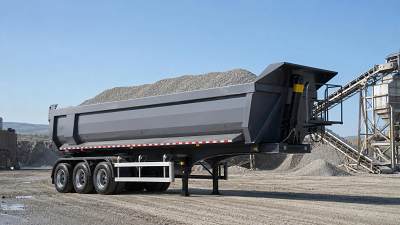
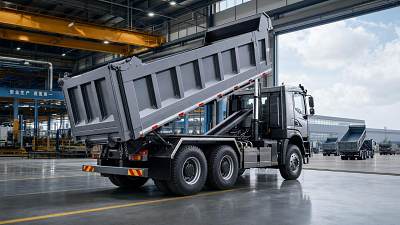
A reliable truck tipper manufacturer should be transparent about steel grade, thickness, reinforcement layout, and wear plate options. Operators should ask whether the floor uses abrasion-resistant steel for impact zones and whether side walls are optimized for the load type. For rock and aggregate transport, thicker floors and stronger cross-member spacing are often necessary. For lighter but bulky cargo, body volume and unloading efficiency may be more important than extreme plate thickness.
Pay close attention to stress concentration areas, especially around hinges, hoist mounting points, upper rails, and tailgate frames. These are common failure zones in poorly engineered tippers. A dependable truck tipper manufacturer will usually provide drawings, load analysis references, or at least clear construction details rather than vague descriptions.
2. Welding Quality and Fabrication Consistency
Good material can still fail if fabrication quality is poor. Weld uniformity, penetration, finish, and consistency across repeated units are important signs of a reliable truck tipper manufacturer. Operators and buyers should look for smooth weld transitions, minimal undercut, proper reinforcement, and evidence of process control. If possible, ask for close-up production photos or factory inspection videos showing body assembly and welding procedures.
In heavy-duty use, weak welding often causes early cracking long before the steel itself wears out. This is especially true where the body meets the subframe or where repeated torsion occurs on uneven roads.
3. Hydraulic System Reliability
The hydraulic system is central to safe tipping. A reliable truck tipper manufacturer should specify cylinder brand, pump configuration, hose quality, sealing standards, and safety features. Operators should verify lifting speed under load, oil circuit protection, hose routing, and the availability of replacement seals and hydraulic parts.
Questions worth asking include: Does the cylinder match the rated body size and payload? Is the system designed for cold climates, dust-heavy job sites, or high-frequency cycles? Are the hydraulic components sourced from proven suppliers? In the field, unreliable hydraulics lead to unstable tipping, oil leakage, and costly interruptions.
4. Chassis Matching and Weight Distribution
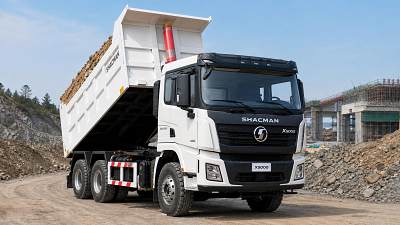
Not every tipper body suits every truck chassis. A capable truck tipper manufacturer understands axle loads, wheelbase effects, frame strength, center of gravity, and body-to-chassis mounting points. Poor matching can reduce stability, increase tire wear, and shorten chassis life. Operators should ask whether the body has been designed specifically for the selected truck model or simply adapted with limited engineering review.
A reliable manufacturer will also consider legal payload compliance and how body dimensions affect maneuverability on actual routes. In heavy-duty work, the safest truck is not the one with the biggest body, but the one with balanced and predictable performance.
5. Stability During Tipping
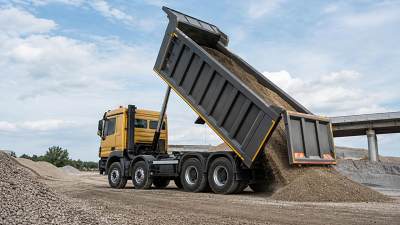
Tip-over risk is one of the most serious operating hazards. A trustworthy truck tipper manufacturer should address body geometry, hinge position, cylinder placement, chassis rigidity, and anti-sway considerations. Operators should examine whether the design supports stable unloading even when minor load sticking occurs. This matters greatly when hauling wet soil, clay, or mixed waste that may not discharge evenly.
Safety stops, tailgate lock integrity, and clear operating instructions are also part of reliability. If a manufacturer focuses only on payload numbers and ignores unloading behavior, that is a warning sign.
Practical Comparison Table for Shortlisting Suppliers
Use the following comparison points when reviewing each truck tipper manufacturer. This helps operators and procurement teams turn general impressions into a more objective decision.
Extra Checks for Different Heavy-Duty Operating Scenarios
Construction and Infrastructure Projects
For road building, excavation, and municipal work, operators should prioritize maneuverability, quick cycle times, and easy cleaning. A truck tipper manufacturer serving this segment should offer body options that balance payload and site access. Tailgate design is important if materials vary between sand, broken concrete, and wet soil.
Mining and Quarry Transport
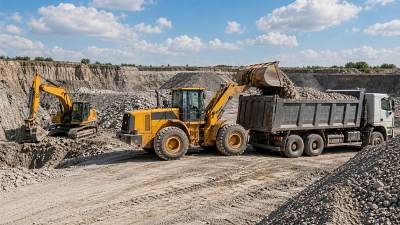
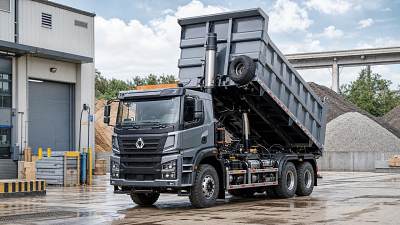
This is where reliability is tested hardest. Operators need reinforced floors, impact-resistant body design, strong hinge systems, and proven hydraulic performance under dust and repeated shock loads. A reliable truck tipper manufacturer for mining use should be able to explain exactly how the body handles high-abrasion material and severe road vibration.
Long-Haul Bulk Logistics
For aggregate, grain, coal, or industrial bulk transport across longer distances, tare weight, fuel efficiency, and corrosion protection become more important. In this case, the best truck tipper manufacturer may not be the one offering the heaviest body, but the one that achieves durability without unnecessary dead weight.
Commonly Overlooked Issues That Affect Real Reliability
- Paint and anti-corrosion treatment are often underestimated. Poor surface preparation can lead to rapid rusting, especially in coastal, wet, or chemical-exposed environments.
- Pin, bushing, and hinge serviceability matters. If wear parts are difficult to access or replace, maintenance time increases sharply.
- Electrical and lighting protection should be checked for mud, water, and vibration exposure, particularly on mixed road-site operations.
- Spare parts compatibility is essential. Even a well-built body becomes a problem if cylinders, seals, locks, or hinges require long import lead times.
- Documentation quality matters more than many buyers expect. A reliable truck tipper manufacturer should provide maintenance guidance, parts lists, and operating instructions that are clear enough for field teams to use.
How to Verify a Manufacturer Beyond the Brochure
If you want to judge a truck tipper manufacturer accurately, ask for evidence that reflects real production and real use. Factory photos, production process details, customer case references, welding close-ups, and service coverage information are more valuable than generic claims such as “high quality” or “durable design.”
It is also useful to compare how the manufacturer responds to technical questions. Reliable suppliers usually answer with specific data, option logic, and application-based recommendations. Weak suppliers tend to avoid detail, offer one standard body for all jobs, or focus only on price. On a professional B2B sourcing platform, buyers can compare multiple suppliers more efficiently by reviewing product categories, technical descriptions, and company capabilities side by side.
Execution Advice: What to Prepare Before Requesting a Quote
To get useful proposals from a truck tipper manufacturer, operators and buyers should prepare a concise technical brief. This saves time and improves quote accuracy.
- Truck chassis brand, model, axle configuration, and wheelbase.
- Expected payload range and average working load.
- Material type, density, and whether it sticks, impacts, or abrades.
- Typical route conditions and tipping surface conditions.
- Required body volume, dimensions, and any legal restrictions.
- Climate conditions, such as extreme heat, cold, heavy rain, or coastal exposure.
- Service expectations, preferred parts supply method, and target delivery schedule.
With this information, a serious truck tipper manufacturer can recommend body structure, hydraulic specification, steel configuration, and support terms that match actual use rather than making assumptions.
FAQ: Quick Answers Operators Often Need
Is the lowest-price truck tipper usually a bad choice?
Not always, but in heavy-duty use, very low prices often mean compromises in steel thickness, welding control, hydraulic components, or support capability. Total cost of ownership matters more than purchase price alone.
How important is local after-sales support?
It is extremely important when trucks run daily. Even a strong truck tipper manufacturer should have a practical plan for spare parts, remote technical support, and service response in your market.
What is the clearest sign of a reliable manufacturer?
Consistency. Reliable manufacturers show stable fabrication quality, clear technical documentation, realistic application guidance, and the ability to explain why a certain design suits a certain job.
Final Decision Guide and Next Step
A reliable truck tipper manufacturer is one that combines durable engineering, correct chassis integration, dependable hydraulics, stable tipping performance, and responsive after-sales support. For operators in heavy-duty transport, construction, and mining, the best choice is rarely based on one feature alone. It comes from checking the full chain of performance: build quality, application fit, maintainability, service access, and long-term operating cost.
If you are ready to move forward, the most useful next conversation is not simply “What is your price?” Instead, ask for body material details, hydraulic component brands, chassis matching advice, warranty scope, spare parts lead time, and examples of similar operating cases. On a specialized global heavy truck B2B platform, these comparisons become faster and more transparent, helping buyers identify the right truck tipper manufacturer for real heavy-duty work.
Trending News
- What drives logging truck cost beyond the base purchase price?
- How to match lowbed trailer deck height to your hauling equipment
- What documents are needed to export a low bed trailer to Southeast Asia?
- What to verify before choosing a delivery truck supplier for school transportation
- What an excavator manufacturer catalog should show before you compare models
Tag
Recommended News
 Truck ReviewsBulk Trailer Capacity vs Stability: What Matters Most on SiteBulk trailer decisions are not just about capacity. Learn how stability, axle setup, tipping safety, and site conditions affect real productivity and smarter fleet performance.
 Truck ReviewsSHACMAN X5000 6×4 Dump Truck: Payload, Fuel Use, and Site Fit ExplainedSHACMAN X5000 6×4 Dump truck guide covering payload, fuel use, and site fit. See how this heavy-duty model supports smarter hauling decisions and lower operating risk.
 Truck ReviewsMixer Truck Capacity Guide: Choosing the Right Size for Jobsite EfficiencyMixer truck capacity guide for better jobsite efficiency. Learn how to choose the right size to reduce trips, improve concrete delivery flow, and compare supplier options with confidence.
 Truck ReviewsWheel Loader vs Excavator: Which Handles Mixed Jobsite Loading BetterWheel loader or excavator? Discover which machine handles mixed jobsite loading better, cuts delays, improves truck flow, and delivers stronger site efficiency.
 Truck ReviewsHow to Choose a Log Truck for Steep Terrain and Long HaulsLog truck selection guide for steep terrain and long hauls. Learn how to compare drivetrain, braking, payload, and durability to cut risk, improve uptime, and choose the right truck.
 Truck ReviewsTruck Dozer vs Wheel Dozer: Which Fits Tough Jobsite ConditionsTruck dozer vs wheel dozer: discover which machine performs better in soft ground, rock, slopes, and fast cycles, and choose the right fit for tough jobsites with confidence.
 Truck ReviewsCurtain Side Trailer vs Box Trailer for Mixed Cargo LoadsCurtain side trailer vs box trailer: discover which option handles mixed cargo loads better for faster loading, stronger protection, and more efficient multi-stop deliveries.
 Truck ReviewsTruck Tipper for Construction: Key Specs That Affect Loading EfficiencyTruck tipper for construction buying guide: compare body volume, hydraulics, chassis strength, axle setup, and tipping angle to improve loading efficiency and jobsite output.
 Truck ReviewsSHACMAN X5000 6×4 Dump Truck: Payload, Fuel Use, and Jobsite FitSHACMAN X5000 6×4 Dump truck insights on payload, fuel use, and jobsite fit. See how it performs in construction, quarry, and infrastructure work before you buy.
 Truck ReviewsHeavy Duty Trucks for Sale: Compare Payload, Fuel Use, and Service LifeHeavy duty trucks for sale: compare payload, fuel use, and service life to find reliable, cost-efficient transport solutions and smarter global sourcing options.
 Truck ReviewsTruck Excavator vs Standard Digger for Tight Job SitesTruck excavator or standard digger for tight job sites? Compare mobility, stability, setup speed, and real productivity to choose the smarter machine.
 Truck ReviewsSHACMAN X5000 6×4 Dump Truck Review for Heavy HaulSHACMAN X5000 6×4 Dump truck review for heavy haul: compare performance, payload, durability, safety, costs, and sourcing tips for demanding projects.
 Truck ReviewsLight Duty Truck With Durable Engine: What Matters MostLight duty truck with durable engine: discover the key checks for uptime, lower fuel costs, smarter maintenance, and reliable performance before you buy.
 Truck ReviewsWhat Makes a Truck Tipper for Construction Perform Better On-Site?Truck tipper for construction performance depends on site conditions, body strength, hydraulics, and traction. Learn how to choose the right model for safer, faster, more efficient jobs.
 Truck ReviewsLogging Truck Producer Comparison: Durability Issues That Affect UptimeLogging truck producer comparison guide: discover the durability issues that impact uptime, repair costs, and safety, and learn how to choose a truck built for harsh forestry transport.
 Truck ReviewsTruck Tipper for Construction: When Payload Matters More Than PriceTruck tipper for construction buying guide: learn why payload, durability, and cycle efficiency matter more than price to cut costs, boost uptime, and improve site productivity.
 Truck ReviewsCrane Truck Manufacturer Comparison for Urban Lifting and Narrow SitesCrane truck manufacturer comparison for urban lifting: discover how to choose compact, safe, high-efficiency models for narrow sites, faster setup, and reliable support.
 Truck ReviewsTruck Cement Mixer Manufacturer Comparison: Drum Design, Output, and ServiceTruck cement mixer manufacturer comparison guide covering drum design, real output, and after-sales service. Help your team compare suppliers, reduce sourcing risk, and choose with confidence.
 Truck ReviewsTruck Tipper Manufacturer Comparison: Build Quality Points That MatterTruck tipper manufacturer comparison guide: discover the build quality points that truly affect durability, payload stability, maintenance, and long-term operating cost.
 Truck ReviewsTruck Cement for Sale: How to Judge Value From Photos and Spec SheetsTruck cement for sale buyers can learn to judge true value from photos and spec sheets. Spot wear, compare capacity, and avoid costly mistakes before you contact sellers.
 Truck ReviewsLogging Truck Producer Comparison: Features That Matter in Tough TerrainLogging truck producer comparison for tough terrain: discover the features that impact traction, stability, durability, and uptime to choose the right forestry truck with confidence.
 Truck ReviewsLogging Truck Producer Comparison: Capacity, Durability, and ServiceLogging truck producer comparison guide covering capacity, durability, and service. Compare real-world fit, reduce fleet risk, and choose reliable suppliers for forestry transport.
 Truck ReviewsFlatbed Trailer Supplier With High Strength: What Really MattersFlatbed trailer supplier with high strength: learn how to assess materials, structure, compliance, and lifecycle value to choose reliable trailer partners with confidence.
 Truck ReviewsDoes Quick Installation Really Matter When Choosing an Excavator ManufacturerExcavator manufacturer with quick installation: learn why fast setup only matters when paired with reliable performance, lower downtime, operator support, and long-term jobsite efficiency.
 Truck ReviewsWhat Makes a Truck Tipper for Construction Easier to Maintain On SiteTruck tipper for construction models with easy hydraulic access, modular parts, and clear service points cut downtime, lower repair costs, and keep demanding jobsites running.