Huanggang Port Freight Closure Impacts Pearl River Delta Export Logistics
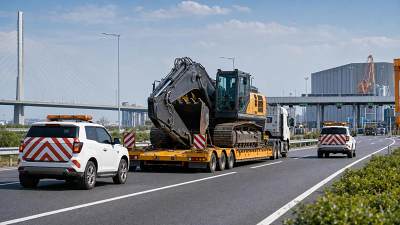
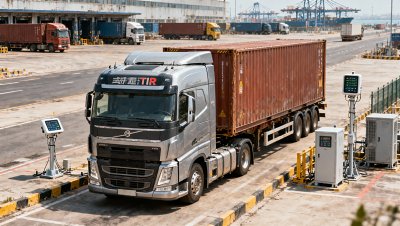
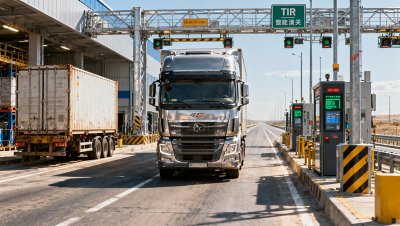
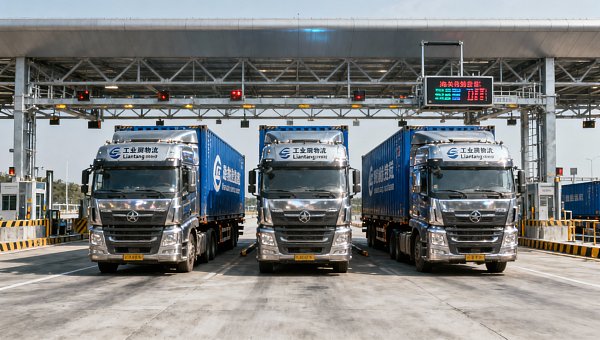
As of 00:00 on December 21, 2025, Huanggang Port in Shenzhen permanently ceased all freight operations. This shift directly affects cross-border trucking for export-oriented enterprises across the Pearl River Delta, particularly those shipping chassis, specialized vehicle components, and general cargo. The closure triggers a mandatory rerouting to Liantang or Wenjindu Ports — raising immediate concerns for logistics efficiency, cost control, and delivery reliability among automotive supply chain players, cross-border trade operators, and third-party logistics providers.
Event Overview
Effective December 21, 2025, at 00:00, Huanggang Port terminated all freight-related activities. All outbound trucks, chassis, and specialized vehicle components from the Pearl River Delta must now clear customs via Liantang or Wenjindu Ports. According to a notice issued by the Guangdong Logistics Association on April 20, congestion has intensified at both alternative ports, increasing average clearance time by 2.3 hours. Additional inspection procedures have also been introduced, contributing to an 8–12% rise in comprehensive land transport costs. For overseas importers, orders placed between April and June 2025 require an extra 3–5 working days of lead-time buffer for delivery.
Industries Affected by Segment
Direct Trading Enterprises
These include exporters handling FOB or EXW shipments involving physical truck movement across the border. With Huanggang no longer available, they face longer wait times and unpredictable clearance windows — impacting shipment scheduling, incoterms compliance, and customer delivery commitments.
Raw Material & Component Procurement Enterprises
Firms sourcing chassis, suspension systems, or other heavy-duty vehicle parts from PRD-based suppliers are exposed to extended inland transit durations. Delays compound upstream if procurement cycles rely on just-in-time (JIT) inbound logistics from Shenzhen-area factories.
Manufacturing Enterprises (OEMs & Tier Suppliers)
Automotive and industrial equipment manufacturers exporting finished or semi-finished goods via road transport must adjust their outbound logistics plans. Increased dwell time at alternate ports may affect production planning cadence — especially where final assembly depends on cross-border component deliveries or consignment stock replenishment.
Supply Chain Service Providers
Freight forwarders, customs brokers, and integrated logistics operators managing cross-border trucking services now confront higher operational variability. The added inspection layer and congestion increase documentation turnaround, driver coordination complexity, and real-time visibility gaps — pressuring service-level agreement (SLA) adherence.
What Relevant Enterprises or Practitioners Should Monitor and Do Now
Track official guidance on port capacity and process adjustments
Monitor announcements from the General Administration of Customs of China and Shenzhen Customs regarding throughput targets, extended operating hours, or digital clearance pilot programs at Liantang/Wenjindu — as these may offset current bottlenecks over time.
Review and adjust lead-time assumptions for key markets
For orders bound for Southeast Asia, Hong Kong SAR, or inland China distribution hubs served via road freight, revise internal delivery timelines to reflect the confirmed +3–5 working day buffer — particularly for April–June 2025 bookings.
Validate carrier routing plans and contingency options
Confirm with current haulage partners whether they’ve secured priority berths or pre-registered vehicle slots at Liantang/Wenjindu. Assess feasibility of partial diversion to rail or sea feeder services where cargo volume and destination permit — though this requires evaluating cost–time trade-offs.
Update internal communication protocols with overseas buyers
Proactively inform international customers about revised transit expectations tied to this port transition. Clarify whether delay-related cost increases will be absorbed internally or shared — aligning commercial terms before order confirmation.
Editorial Perspective / Industry Observation
From industry perspective, this is not merely an infrastructure adjustment but a structural recalibration of land-based export logistics in the Greater Bay Area. Analysis来看, the 8–12% cost uplift reflects both short-term friction and longer-term capacity constraints — rather than a temporary spike. Observation来看, the timing (December 2025 implementation, with impacts reported in April 2025) suggests the shift was planned but its operational consequences are still unfolding. Current more relevant interpretation is that this represents an early-stage signal of sustained pressure on road freight corridors — one that may accelerate adoption of digital customs tools or intermodal alternatives, but not yet a fully stabilized new normal.
Conclusion
While the Huanggang Port freight closure marks a definitive endpoint for a long-standing logistics node, its broader significance lies in exposing dependencies within regional cross-border road transport. It does not indicate systemic failure, but rather highlights how localized infrastructure transitions can ripple across procurement, manufacturing, and fulfillment functions — especially when alternative gateways lack proportional scalability. Currently, it is more accurate to understand this development as a transitional inflection point requiring adaptive planning, rather than a permanent disruption demanding wholesale model overhaul.
Information Sources
Main source: Guangdong Logistics Association notice dated April 20, 2025.
Note: Ongoing monitoring is advised for official updates on Liantang/Wenjindu throughput data, inspection protocol revisions, and potential policy support measures — none of which have been publicly confirmed beyond the April 20 notice.
Trending News
- When does a light commercial vehicle for urban delivery save fleet costs?
- How to choose an off road truck for steep and unstable job sites
- How to match crane truck lifting capacity to your jobsite loads
- What drives logging truck cost beyond the base purchase price?
- How to match lowbed trailer deck height to your hauling equipment
Tag
Recommended News
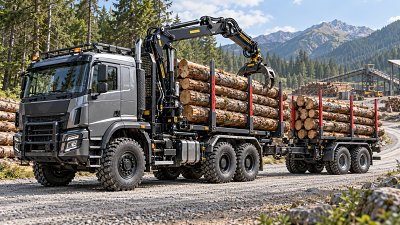
 Transportation CostsWhat drives logging truck cost beyond the base purchase price?Logging truck cost goes far beyond the base price. Explore chassis, cranes, trailers, fuel, compliance, and support factors to make a smarter timber-hauling investment.
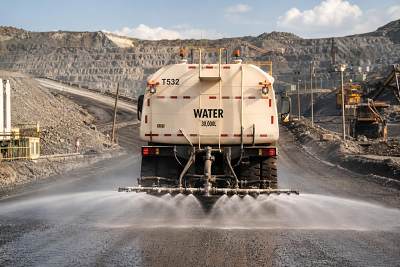
 Transportation CostsWhat Drives Water Truck Cost for Construction and Mining Fleets?Water truck cost depends on tank size, chassis, spray system, and lifecycle support. Learn how construction and mining fleets compare quotes and avoid costly spec mistakes.
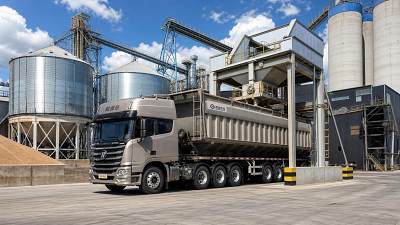
 Transportation CostsTruck Bulk Transport: Cost, Capacity, and Loading RisksTruck bulk transport explained: compare cost, capacity, and loading risks to choose safer, more efficient equipment and reduce lifecycle expense.
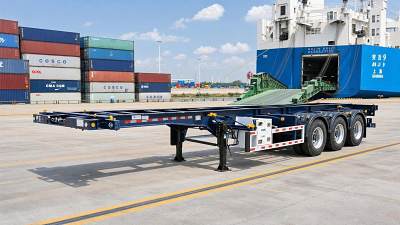
 Transportation CostsContainer Trailer Cost Factors That Affect Total Landed PriceContainer trailer cost goes far beyond the factory quote. Discover the key factors shaping total landed price, from specs and freight to taxes, compliance, and after-sales support.
 Transportation CostsBulldozer Price in 2026: What Changes the Total Cost Beyond the QuoteBulldozer price in 2026 means more than the quoted number. Learn how freight, duties, fuel, maintenance, downtime, and resale shape total ownership cost.
 Transportation CostsWater Truck Cost in 2026: What Drives Price and Lifetime ExpenseWater truck cost in 2026 depends on tank size, chassis, compliance, fuel, and maintenance. Learn what drives price and lifetime ownership expense before you buy.
 Transportation CostsLogging Truck Price in 2026: What Changes Total Ownership Cost?Logging truck price in 2026 is only the starting point. Learn how fuel, maintenance, payload, financing, and resale value shape total ownership cost.
 Transportation Costs2026 Truck Leasing Cost Trends: What to Budget for This YearTruck leasing in 2026 means more than a monthly rate. Learn the key cost trends, hidden budget risks, and smart planning tips to control fleet expenses this year.
 Transportation CostsDump Truck Wholesale Pricing: What Changes Total Fleet CostDump truck wholesale pricing is only the start. Learn how fuel, downtime, parts support, and truck specs shape total fleet cost and smarter sourcing decisions.
 Transportation CostsIndustrial Transportation Cost Drivers in 2026: Fuel, Utilization, and DowntimeIndustrial transportation costs in 2026 are driven by fuel volatility, fleet utilization, and downtime. Learn how to compare suppliers, cut hidden costs, and protect transport margins.
 Transportation CostsContainer Trailer Cost Factors That Affect Total Purchase ValueContainer trailer cost goes beyond the quote. Discover how steel, axles, compliance, shipping, and maintenance shape total purchase value and help you choose smarter.
 Transportation CostsTruck Tipper Price Breakdown: What Drives Total Cost in 2026Truck tipper price in 2026 depends on more than the quote. Discover what drives total cost, hidden fees, specs, compliance, and supplier value before you buy.
 Transportation CostsHeavy Equipment Transport: Key Cost Factors and Route Planning TipsHeavy equipment transport costs depend on size, permits, routing, and timing. Learn practical route planning tips to cut delays, control budgets, and move equipment smarter.
 Transportation CostsCrane Truck Cost Breakdown: Purchase, Setup, and Operating ExpensesCrane truck cost explained from purchase and setup to fuel, maintenance, and downtime. Compare suppliers smarter and plan total ownership costs with confidence.
 Transportation CostsTruck Cement Sourcing: How to Compare Supply Risk and Delivered CostTruck cement sourcing made smarter: learn how to compare supply risk, logistics reliability, and delivered cost to avoid delays, cut hidden expenses, and protect project margins.
 Transportation CostsHeavy Duty Trucks for Sale in Australia: What Impacts Total CostHeavy duty trucks for sale in Australia: discover what really impacts total cost, from fuel and maintenance to compliance, finance, and resale value for smarter buying.
 Transportation CostsHow to Request an Accurate Construction Machinery QuotationConstruction machinery quotation tips for getting accurate, approval-ready pricing. Learn what details to prepare, compare supplier offers, and avoid hidden cost risks.
 Transportation CostsTianjin Port TIR Rates Rise 8% on June 17Tianjin Port TIR rates rise 8% as diesel costs and new BeiDou+GPS tracking rules reshape Central Asia road freight. See what exporters and shippers must adjust now.
 Transportation CostsBulk Cement Trailer Capacity vs Operating Cost ExplainedBulk cement trailer capacity directly affects fuel use, trip frequency, maintenance, and ROI. Learn how to compare sizes, cut operating costs, and choose the best trailer for your routes.
 Transportation CostsWater Truck Cost Breakdown: Purchase, Fuel, and MaintenanceWater truck cost explained from purchase price to fuel, maintenance, downtime, and resale. Compare suppliers smarter and estimate true ownership cost before you buy.
 Transportation CostsLight Commercial Vehicle for Food Delivery: Cost vs RangeLight commercial vehicle for food delivery buyers should weigh cost vs range, downtime, and service support to cut total delivery costs and choose the right fleet fit.
 Transportation CostsConstruction Machinery Cost Breakdown: Purchase, Fuel, and MaintenanceConstruction machinery cost explained through purchase price, fuel use, and maintenance impact. Learn how to compare lifecycle expenses and choose equipment with better long-term value.
 Transportation CostsTIR Digital Clearance Goes Live on China-Kazakhstan-Russia RouteTIR Digital Clearance goes live on the China-Kazakhstan-Russia route, cutting average clearance from 72 to 25 hours. See how e-CMR integration can improve road freight visibility, planning, and delivery control.
![]() Transportation CostsTruck Leasing vs Buying: Which Lowers Fleet Costs in 2026?Truck leasing vs buying in 2026: discover which option lowers fleet costs, protects cash flow, and improves flexibility for smarter fleet budgeting.
 Transportation CostsTruck Leasing vs Buying: Cost Risks to Check FirstTruck leasing vs buying: uncover hidden cost risks in mileage, maintenance, depreciation, downtime, and contracts before choosing the best fleet strategy.