How Construction Machinery for Mining Affects Output, Fuel Use, and Downtime
In mining operations, the right construction machinery for mining can directly shape production output, fuel efficiency, and equipment uptime. For business decision-makers, understanding how machine selection affects operating costs and project continuity is essential to improving profitability. This article explores the key performance links that influence fleet value, purchasing decisions, and long-term operational results.
Why construction machinery for mining has a direct impact on output
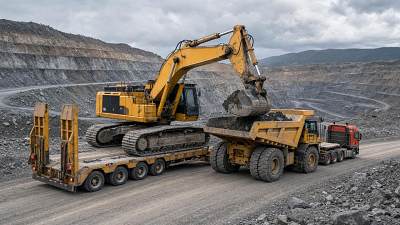
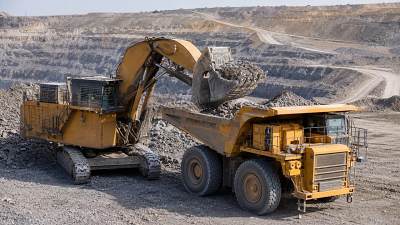
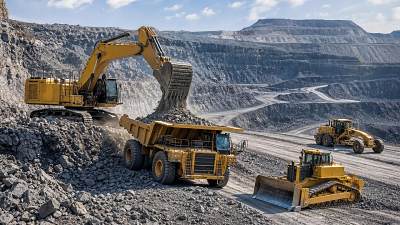
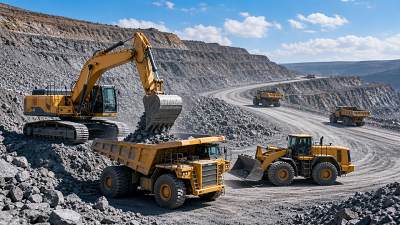
In surface mines, quarry sites, and infrastructure-linked extraction projects, machinery is not only a production tool. It is the core variable behind cycle time, material handling efficiency, haul road utilization, and maintenance planning. When decision-makers evaluate construction machinery for mining, they are really evaluating how quickly rock, ore, and overburden can move from the face to the processing chain with minimum interruption.
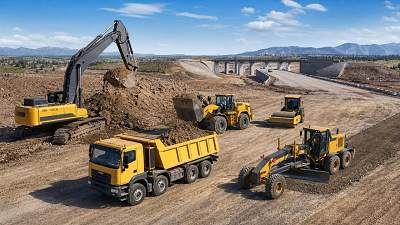
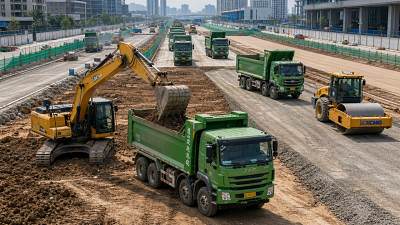
This matters even more in the land transport equipment sector, where loaders, excavators, dump trucks, wheel dozers, and support vehicles operate as one system. A high-capacity machine that is poorly matched to haul truck payload or road conditions may underperform despite strong technical specifications. Output depends on fleet balance, operator workflow, material density, gradient, and loading consistency.
For buyers sourcing through a global B2B platform, the challenge is rarely finding products alone. The bigger challenge is comparing suppliers, interpreting specifications, and choosing machinery that fits real mining transport conditions. That is where a specialized industry platform creates value: it helps buyers review product categories, compare supplier capabilities, and shorten the path from inquiry to fit-for-purpose procurement.
- Production output rises when loading tools, hauling units, and supporting machines are sized around the same operational target.
- Fuel use improves when engines, hydraulic systems, and travel patterns are optimized for real site cycles instead of nameplate performance.
- Downtime falls when spare parts availability, maintenance access, and supplier support are considered before purchase.
Output is shaped by the machine system, not one machine in isolation
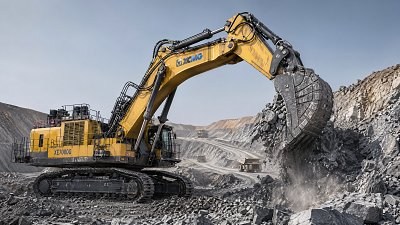
A mining contractor may focus on excavator bucket size or truck horsepower, but output is usually constrained by the weakest link in the cycle. If loading takes too long, trucks queue. If haul units are oversized for road width or turning radius, speed drops. If material is abrasive and attachments are not wear-resistant, scheduled output is lost to unscheduled replacement. Effective construction machinery for mining must therefore be assessed as part of an operating chain.
Which machine characteristics most affect fuel use and uptime?
Fuel is one of the largest controllable costs in mining transport and earthmoving. Yet two machines with similar rated power can show very different fuel burn per ton moved. The reason is simple: engine efficiency alone does not decide fuel consumption. Loading resistance, hydraulic demand, idle time, travel distance, and operator behavior all matter.
The table below summarizes the performance factors buyers should review when comparing construction machinery for mining across suppliers and equipment categories.
For decision-makers, this comparison shows why purchase price should never be the only screening factor. The machine with the lower initial quote may generate higher fuel spend, slower cycles, and longer parts lead times. In mining, total cost per ton is often a more reliable metric than unit price.
The hidden fuel penalties many buyers miss
Fuel waste often comes from operational mismatch rather than poor manufacturing. Common examples include oversized machines working in short-cycle zones, underpowered haul units climbing steep grades, and loaders using incorrect bucket configurations for material density. A well-chosen machine consumes fuel in a productive way. A poorly chosen one consumes fuel while waiting, rehandling, or traveling below target efficiency.
- Excessive idling during truck queues increases fuel cost without increasing tons moved.
- Improper bucket or body matching can cause overloading, underloading, or spillage.
- Machines without practical service access lose availability during routine maintenance.
How to compare equipment options by mining scenario
Different mining environments call for different construction machinery for mining. The correct choice for a limestone quarry may be wrong for a copper open pit or a contractor-led overburden stripping project. Site conditions determine whether buyers should prioritize loading speed, mobility, structural endurance, or support compatibility with heavy trucks and trailers.
The following table helps procurement teams align equipment selection with operating scenarios rather than generic catalog claims.
This scenario-based view is especially useful for enterprise buyers managing cross-border sourcing. On a specialized international platform, teams can compare suppliers not only by machine category but also by application fit, available product range, and supporting components such as truck chassis, spare parts, and trailers that keep the wider operation moving.
When lower-capacity machines can produce better economics
Bigger is not always better. In tight haul routes, fragmented material zones, or projects with variable demand, smaller or mid-range machinery may deliver stronger economics. These units can reduce idle time, improve maneuverability, and simplify maintenance. The right decision depends on cost per productive hour and cost per ton, not on machine size alone.
What procurement teams should verify before placing an order
For enterprise decision-makers, purchasing construction machinery for mining is usually a multi-variable decision involving technical review, commercial negotiation, risk control, and supply continuity. A machine may look suitable on paper but still create downstream problems if after-sales support, transport compatibility, or local compliance is weak.
A practical procurement checklist
- Confirm the material profile. Density, abrasiveness, and fragmentation level affect bucket sizing, body wear, and hydraulic load.
- Map the full duty cycle. Include loading time, haul distance, road condition, dump time, and return travel.
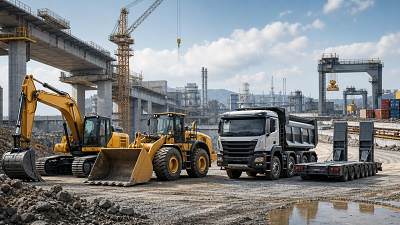
- Check fleet compatibility. Excavators, loaders, heavy trucks, and support trailers should work to the same production target.
- Review maintenance access and consumables. Filters, hydraulic components, tires or tracks, and wear parts should be practical to source.
- Ask for delivery and support details. Lead time, packaging, spare parts supply, documentation, and warranty process matter in remote mining zones.
- Verify any required standards or market-entry documentation applicable in the destination country.
This is where a focused commercial vehicle and heavy equipment marketplace can reduce procurement friction. Buyers can compare multiple suppliers, browse adjacent product categories, and access industry guides that support faster evaluation. That matters when mining projects require synchronized procurement of machinery, transport equipment, and parts.
Common buying mistakes that increase downtime later
- Selecting by engine power only, without examining load-and-haul cycle matching.
- Ignoring parts logistics for remote sites, especially for wear items and hydraulic components.
- Underestimating the cost of operator retraining when introducing unfamiliar machine systems.
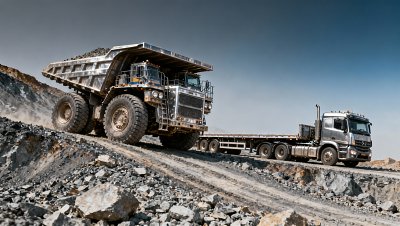
- Treating mining equipment and land transport equipment as separate purchases instead of one integrated production system.
Cost, alternatives, and long-term fleet value
A sound investment decision weighs capital expenditure against fuel cost, maintenance frequency, productivity, and service continuity. Some buyers compare new and used construction machinery for mining, while others compare premium configurations against simpler machines with lower acquisition cost. Neither approach is automatically right. The answer depends on utilization intensity and downtime tolerance.
The table below highlights how different purchasing approaches affect business outcomes.
For many buyers, the best answer is not a single machine choice but a fleet strategy. A heavy truck platform with broad product visibility can help businesses compare machinery, transport units, and parts in one sourcing workflow. That approach is valuable when the procurement objective is operational continuity rather than one-off purchasing.
Compliance, documentation, and supply-chain considerations
Cross-border procurement of construction machinery for mining often involves technical files, inspection requirements, shipping preparation, and destination-market documentation. Requirements vary by country and project type, but business buyers should at least clarify machine origin details, packing standards, spare parts lists, operation manuals, and any requested conformity or inspection documents before shipment.
In practical terms, compliance is not just about import clearance. It also affects commissioning speed, maintenance readiness, and internal approval processes. If the buyer also needs supporting heavy trucks, chassis, trailers, or spare parts, consolidating supplier evaluation through one industry-focused platform can simplify communication and reduce sourcing delays.
Questions to raise with suppliers early
- What documentation is available for export, inspection, and commissioning?
- Which consumables and wear parts should be stocked at site from day one?
- How long is the expected lead time for critical replacement components?
- Can the supplier support related transport equipment needed for the same mining project?
FAQ: what business buyers often ask about construction machinery for mining
How should we measure the value of construction machinery for mining?
Use a total operating view. Compare cost per productive hour, estimated fuel use, expected wear part life, maintenance intervals, and output per cycle. For mining transport operations, also check how well the machine matches haul truck payload, road conditions, and loading targets. A lower purchase price can still mean a higher operating cost over time.
What matters more: machine capacity or reliability?
Both matter, but reliability usually protects the business first. A high-capacity machine that stops often can damage production planning, truck utilization, and contract delivery. In remote mines, steady uptime with available parts often creates better business results than chasing maximum nameplate capacity.
How can we reduce downtime before the machine even arrives?
Build downtime prevention into procurement. Confirm spare parts packages, service access, operator documentation, and commissioning requirements in advance. Review whether the selected construction machinery for mining shares consumables or maintenance practices with your existing fleet. Early planning often prevents long stoppages later.
Is it better to source machinery and transport equipment separately?
Not always. Mining productivity depends on the interaction between loading machines, heavy trucks, trailers, and parts supply. Sourcing through a professional B2B platform that covers the wider heavy truck and equipment ecosystem can improve comparison efficiency and support more integrated decision-making.
Why choose us for mining machinery and heavy transport sourcing support
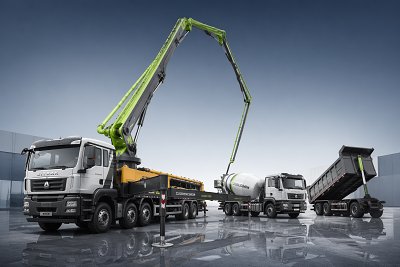
The Global Heavy Truck Industry Platform is built for buyers who need more than a product listing. It connects international buyers with manufacturers and suppliers across construction machinery, complete trucks, truck chassis and cab, trailers, semi-trailers, and spare parts. For mining and industrial transport projects, this wider supply-chain view helps procurement teams compare options with better speed and context.
If your team is evaluating construction machinery for mining, we can support key decision points such as parameter confirmation, fleet matching, product category comparison, supplier screening, delivery cycle communication, spare parts planning, and quotation coordination. We can also help you identify related heavy transport equipment needed for integrated mining logistics and site support.
Contact us when you need practical sourcing support for mining equipment and land transport systems. You can consult on machine specifications, application fit, delivery timing, customized configurations, documentation requirements, spare parts preparation, and cross-border supplier comparison. That makes it easier to move from product search to a workable procurement plan.
Trending News
- When does heavy equipment transport require a lowboy trailer?
- When does a light commercial vehicle for urban delivery save fleet costs?
- How to choose an off road truck for steep and unstable job sites
- How to match crane truck lifting capacity to your jobsite loads
- What drives logging truck cost beyond the base purchase price?
Tag
Recommended News
 Industry ReportsConstruction Machinery for Mining: What Matters Most in Harsh Site ConditionsConstruction machinery for mining: learn how to choose durable, high-uptime equipment for harsh sites. Compare key factors, reduce downtime, and improve project performance.
 Industry Reports24-Hour Full-Truckload Transport Goes Mainstream in China24-Hour Full-Truckload Transport is transforming China’s陆路运输设备 industry—enabling sub-12-hour deliveries, AI-optimized routing, and smarter inventory planning. Discover how your supply chain can leverage this breakthrough.
 Industry ReportsConstruction Machinery for Mining: Key Specs That Affect OutputConstruction machinery for mining: discover the key specs that drive output, fuel efficiency, cycle time, and uptime, helping you compare equipment smarter and source with confidence.
 Industry ReportsConstruction Machinery Cost Control: 7 Hidden Expenses in Project PlanningConstruction machinery cost goes beyond purchase or rental price. Discover 7 hidden expenses that impact budgets, compare suppliers smarter, and protect project margins.
 Industry ReportsHow ISO Certification Reduces Supplier Risk in Heavy Truck ChassisHeavy truck chassis manufacturer with ISO certification: learn how ISO helps reduce supplier risk, improve traceability, and strengthen procurement confidence in global sourcing.
 Industry ReportsInfrastructure Machinery Supply: Avoiding Delays from Wrong Equipment MixConstruction machinery supplier for infrastructure: learn how the right equipment mix prevents delays, cuts downtime, and improves fleet coordination for roads, utilities, and transport projects.
 Industry ReportsMunicipal Engineering Machinery: Which Equipment Delivers Faster ProgressConstruction machinery supplier for municipal engineering insights: discover which excavators, dump trucks, pavers, and cranes deliver faster project progress, less downtime, and smarter fleet coordination.
 Industry ReportsBest Construction Machinery for Mining: Key Equipment by Site ConditionConstruction machinery for mining should match real site conditions. Discover the best equipment for soft ground, hard rock, and steep hauls to improve uptime, safety, and transport efficiency.
 Industry ReportsConstruction Machinery Manufacturer Trends Shaping Fleet UpgradesConstruction machinery manufacturer trends are reshaping fleet upgrades with smarter telematics, better fuel efficiency, and stronger service support. Learn how to choose equipment that cuts downtime and boosts project ROI.
 Industry ReportsHow Construction Machinery for Mining Affects Output, Fuel Use, and DowntimeConstruction machinery for mining directly affects output, fuel use, and downtime. Learn how to compare equipment, cut operating costs, and choose the right fleet for higher mining productivity.
 Industry ReportsWhat Changes When an Excavator Is Built for Mining WorkExcavator for mining vs standard models: discover how reinforced excavator parts, stronger hydraulics, and lifecycle value impact excavator price and smarter buying decisions.
 Industry ReportsTruck Concrete Pumping Jobs Need More Than High OutputTruck concrete pumping jobs demand more than high output. Learn how hydraulic pump efficiency, truck trailer and truck tipper support, and off road truck stability improve value.
 Industry ReportsHow to Assess Truck Mining Models for Harsh ConditionsAssess truck mining models for harsh sites with expert tips on construction truck, lowbed trailer, truck mounted crane, mixer truck, and refrigerated truck selection for lower downtime.
 Industry ReportsConstruction Machinery Supplier Costs ExplainedConstruction machinery supplier costs explained: compare commercial vehicle parts, truck cylinder, bulk cement trailer, truck injector and flatbed trailer supplier pricing for smarter sourcing.
 Industry ReportsMining Truck Fuel Burn Is Not the Only Cost That MattersMining truck cost goes beyond fuel. Compare truck battery, truck lighting, off road truck reliability, parts support, and lifecycle value to choose smarter, lower-risk fleets.
 Industry ReportsWhy Excavator for Construction Size MattersExcavator for construction size affects cost, output, and fleet fit. Compare excavator rental, excavator for sale, dump truck for sale, and excavator parts to choose smarter.
 Industry ReportsLowbed trailer air suspension vs. mechanical: total cost of ownership analysisCompare lowbed trailer air vs. mechanical suspension TCO—covering mixer truck, fuel tank truck, truck container & more. Save on maintenance, tires, fuel & downtime.
 Industry ReportsHenan 2026 Key Projects List Released: >¥1T Transport InvestmentHenan's 2026 transport investment >¥1T unlocks opportunities for陆路运输设备 makers—EV truck charging corridors, intelligent freight hubs & multimodal terminals await.
 Industry ReportsTruck trailer manufacturer certifications — which ones actually affect field durability?Looking for a truck trailer manufacturer or dump truck for sale? Discover which certifications—like EN 12642-C and ISO 12944-6—actually boost field durability, not just paperwork.
 Industry ReportsTruck trailer manufacturer rankings — based on real-world service response timeCompare top truck trailer manufacturers & dump truck manufacturers by real-world service response time—get accurate dump truck price, truck tipper price, and semi trailer for sale insights before you buy.
 Industry ReportsDump truck manufacturer vs. local assembler: Where do warranty terms really differ?Compare dump truck manufacturer vs. local assembler warranty terms—critical for dump truck for sale, truck tipper price, and semi trailer for sale decisions.
 Industry ReportsCommercial Vehicle Parts Shortages Are Changing Maintenance PlansCommercial vehicle parts shortages are reshaping maintenance for wing van truck, light duty truck, and cab chassis truck fleets. Explore smarter sourcing, truck engine parts planning, and truck brake system strategies.
 Industry ReportsWater truck distributor exclusivity agreements: What they lock in—and what they don’tUnlock water truck cost clarity & construction machinery quotation insights—what exclusivity agreements truly cover (and miss) for distributors, exporters & buyers.
 Industry ReportsConstruction machinery distributors: Are you buying from the factory—or a layered reseller?Compare real-time water truck cost, construction machinery quotation & crane truck distributor pricing—direct from verified manufacturers. Cut markups, lead times & risk.
 Industry ReportsBulldozer supplier tech support response times — real data from 12 service centersBulldozer supplier & excavator supplier response times revealed—real data from 12 global service centers. Compare bulldozer manufacturers, distributors, and heavy duty trucks for sale in Canada, South Africa, Australia—before you buy.