Shatian Customs: 20% Transport Vehicle Inspection Anomaly Rate in Apr 2026
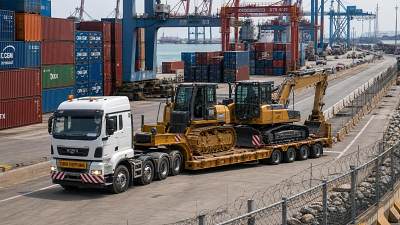
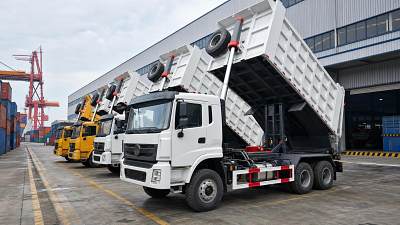
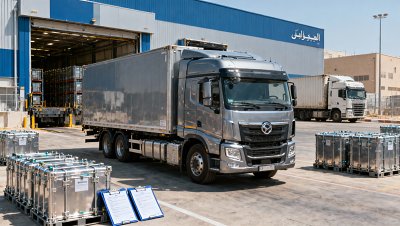
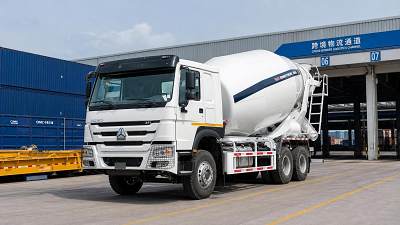
Shatian Customs reported a sharp rise in transport vehicle inspection anomalies—reaching 20% for trucks and semi-trailers during April 1–15, 2026—signaling heightened technical scrutiny for export-bound commercial vehicles. This development directly affects exporters, logistics providers, and OEMs engaged in cross-border road freight to Hong Kong and beyond.
Event Overview
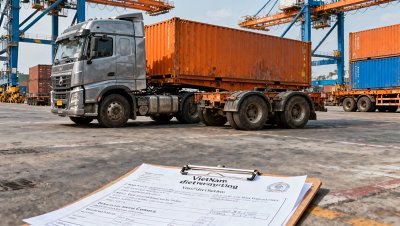
According to publicly disclosed data from Shatian Customs for April 1–15, 2026, a total of 10 transport vehicles underwent on-site inspections. Of these, two units—bearing identification numbers 9115030 and 8653047—were flagged for abnormal handling, resulting in a 20% anomaly rate. This compares with a 7.3% rate in the same period last year. The stated causes include VIN code mismatches against declared information, inactive OBD data transmission, and BMS communication protocol incompatibility in new-energy vehicle models.
Industries Affected by Segment
Direct Exporters (Truck & Semi-Trailer Manufacturers)
Exporters of heavy-duty trucks, specialized work vehicles, and semi-trailers face increased pre-shipment verification burdens. The anomaly triggers re-inspection, documentation correction, or even return-to-origin procedures—delaying delivery timelines and raising demurrage or storage costs at border checkpoints.
OEM Suppliers (Battery, BMS, and Telematics Providers)
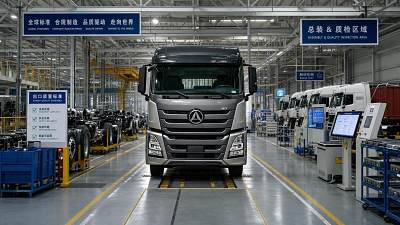
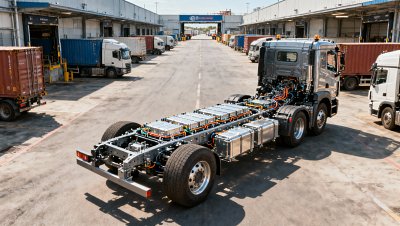
Suppliers of battery management systems (BMS), OBD modules, and vehicle identification components are indirectly impacted. Incompatibility between factory-installed BMS protocols and China Customs’ verification systems may require firmware updates or interface adaptations—especially for EV and hybrid models destined for export via Shatian.
Third-Party Logistics & Cross-Border Freight Operators
Fleet operators managing bonded or export truck movements through Shatian face tighter scheduling windows. Repeated anomalies increase dwell time, reduce trailer turnover rates, and raise compliance coordination overhead—particularly when transporting high-value or time-sensitive cargo across the Guangdong–Hong Kong corridor.
What Enterprises Should Monitor and Act On Now
Track official guidance on technical compliance thresholds
Current anomalies stem from verifiable technical gaps—not policy changes—but Shatian Customs has not yet published formal technical specifications for VIN validation, OBD activation status, or BMS protocol alignment. Enterprises should monitor upcoming notices or FAQs issued by the General Administration of Customs (GACC) or local customs branches.
Verify VIN, OBD, and BMS readiness per unit before dispatch
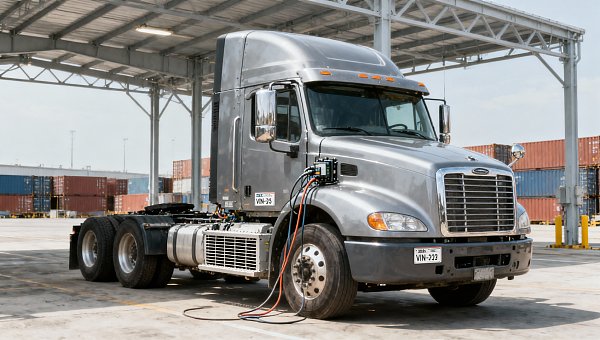
For each export-bound vehicle, confirm that the physical VIN matches the e-declaration; that OBD II port outputs live diagnostic data (not just power-on signal); and—for new-energy models—that the BMS supports CAN bus message formats recognized by customs inspection equipment. Pre-checking avoids on-site rejection.
Document and isolate affected vehicle batches
Identify whether anomalies cluster by model year, battery supplier, or software version. If units 9115030 and 8653047 share common hardware or firmware traits, internal traceability helps prioritize corrective action and informs supplier engagement.
Engage customs brokers with Shatian-specific technical experience
Not all brokers maintain up-to-date familiarity with Shatian’s vehicle inspection workflows. Prioritize partners who can interpret real-time OBD logs or validate BMS handshake responses during pre-clearance checks—reducing reliance on reactive troubleshooting at the checkpoint.
Editorial Observation / Industry Perspective
This 20% anomaly rate is better understood as an operational signal—not yet a regulatory shift. Analysis来看, it reflects intensified enforcement of existing technical verification standards, rather than introduction of new requirements. From industry angle, the pattern suggests customs authorities are scaling up digital inspection capacity, especially for connected vehicle systems. Observation来看, the focus on BMS and OBD points to broader alignment with national goals for intelligent transport supervision. Current more appropriate interpretation is that this is a calibration phase: early detection of systemic technical gaps, not a broad-based restriction.
It remains to be seen whether this trend extends beyond Shatian to other land border customs offices—or evolves into standardized technical annexes for export declarations. For now, enterprises should treat it as a localized but meaningful indicator of rising technical due diligence in vehicle exports.
Conclusion
Shatian Customs’ elevated transport vehicle inspection anomaly rate highlights growing emphasis on technical conformity—not just documentary accuracy—in cross-border commercial vehicle clearance. It does not represent a new regulation, but rather a measurable tightening of execution on existing verification protocols. Enterprises are advised to treat this as a prompt for internal technical alignment, not a cause for strategic recalibration—yet.
Source Attribution
Main source: Publicly disclosed inspection statistics from Shatian Customs (April 1–15, 2026).
Note: Technical root causes (e.g., BMS protocol incompatibility) are stated in official anomaly records; no further specification or guidance has been released as of April 16, 2026. Continued observation is warranted for any follow-up technical bulletins or pilot expansions to other customs districts.
Trending News
- When does heavy equipment transport require a lowboy trailer?
- When does a light commercial vehicle for urban delivery save fleet costs?
- How to choose an off road truck for steep and unstable job sites
- How to match crane truck lifting capacity to your jobsite loads
- What drives logging truck cost beyond the base purchase price?
Tag
Recommended News
 Truck ExportWhat documents are needed to export a low bed trailer to Southeast Asia?Low bed trailer export to Southeast Asia: discover essential shipping, customs, origin, and technical documents to avoid delays and ensure smooth import clearance.
 Truck ExportHow to verify supplier reliability when sourcing bulldozers overseasBulldozer sourcing made safer: learn how to verify overseas suppliers, inspect quality, confirm specifications, manage export documents, and reduce lifecycle risk.
 Truck ExportWhat paperwork is required for heavy equipment export shipments?Heavy equipment export paperwork explained: invoices, customs filings, bills of lading, origin certificates, technical approvals, and compliance records for smoother global shipments.
 Truck ExportHow to reduce quality risks when sourcing dump trucks overseasDump truck sourcing made safer: learn how to verify suppliers, control specifications, meet compliance rules, and inspect trucks before shipment.
 Truck ExportChina’s Electric Heavy Truck Exports Double in Four Months, With South and Southeast Asia LeadingChina’s electric heavy truck exports doubled in four months, with South and Southeast Asia leading demand. Explore compliance, delivery, and market-entry opportunities now.
 Truck ExportU.S. Final Ruling on Chinese Box Trailers Nears, Exporters Brace for ComplianceChinese box trailer exporters face the U.S. final ruling on anti-dumping duties. Learn how pricing, HS code compliance, contracts, and supply chains may be impacted.
 Truck ExportWhat to check before choosing a dump truck exporterDump truck exporter guide: discover the key checks before buying, from truck specs and compliance to export support, and avoid costly sourcing mistakes.
 Truck ExportBaosteel’s EN 15804+A2 EPD Signals a New Compliance Layer for Heavy Plate ExportsBaosteel’s EN 15804+A2 EPD Signals a New Compliance Layer for Heavy Plate Exports, showing how carbon disclosure and verified documentation may reshape export approval, sourcing, and OEM screening.
 Truck ExportHow to Evaluate a Water Truck Exporter for Build Quality and After-Sales SupportWater truck exporter selection starts with more than price. Learn how to assess build quality, compliance, parts support, and after-sales service before placing an order.
 Truck ExportHow to Evaluate a Semi Trailer Exporter for Compliance, Lead Time, and After-Sales SupportSemi trailer exporter evaluation made practical: learn how to verify compliance, compare real lead times, and assess after-sales support before choosing a reliable supplier.
 Truck ExportConstruction Machinery Exporter Checklist for Overseas Delivery RisksConstruction machinery exporter checklist for overseas delivery risks: learn how to reduce damage, customs delays, document errors, and cost exposure before shipment.
 Truck ExportChina Adds Battery Carbon Footprint Filing for NEV Truck ExportsChina adds battery carbon footprint filing for NEV truck exports, reshaping customs clearance, lead times, and export costs. Learn who is affected and how to prepare now.
 Truck ExportTruck Trailer OEM Checklist: Key Quality Points Before Supplier ApprovalTruck trailer OEM approval starts with the right checklist. Discover key quality, compliance, and audit points to screen suppliers, reduce sourcing risk, and choose with confidence.
 Truck ExportHeavy Equipment Export to Africa: Hidden Cost Risks Beyond Unit PriceHeavy equipment export to Africa involves more than unit price. Discover hidden costs in logistics, customs, parts, and after-sales support to make smarter, lower-risk buying decisions.
 Truck ExportTruck Tipper Exporter Checklist: 7 Risks to Review Before SigningTruck tipper exporter checklist: review 7 critical risks before signing, from compliance and quality control to delivery, warranty, and payment protection.
 Truck ExportChina Customs Rolls Out 2026 Export Truck GuideChina Customs Rolls Out 2026 Export Truck Guide: learn how new battery safety, automated driving data compliance, and GCC certification checks could impact truck exports and shipment readiness.
![]() Truck ExportWhat OEM Services Really Matter in a Commercial Trucks ManufacturerCommercial trucks manufacturer with OEM services: learn which OEM capabilities truly protect uptime, compliance, parts access, and fleet cost before you shortlist suppliers.
 Truck ExportCommercial Trucks Manufacturer in China: Export Quality Standards to CheckCommercial trucks manufacturer in China: learn which export quality standards, certifications, factory controls, and compliance checks reduce sourcing risk and protect fleet performance.
 Truck ExportMexico Cuts PROSEC Duty on Truck Chassis, Adds Audit RuleMexico Cuts PROSEC Duty on Truck Chassis to 0% from July 2026, but new audit rules and a 35% localization threshold raise compliance risks. Learn what importers must do to stay eligible.
 Truck ExportAlashankou Opens Priority Clearance for New Energy TrucksAlashankou opens priority clearance for new energy trucks, cutting export customs time by 3.2 days. Learn how UN38.3, GB 38031, and ECE R100.03 compliance can speed rail deliveries.
 Truck ExportDump Truck Supplier in Brazil: Import Costs, Lead Times, and Compliance PointsDump truck supplier in Brazil guide: compare real import costs, lead times, and compliance points to avoid delays, control landed cost, and choose a reliable supplier faster.
 Truck ExportCommercial Trucks Manufacturer in China: How to Compare Factory StrengthCommercial trucks manufacturer in China comparison guide: learn how to assess factory strength, quality control, certifications, and export capability for safer, smarter sourcing.
 Truck ExportTruck Cement Exporter Checklist for Cross-Border Compliance and DeliveryTruck cement exporter checklist for cross-border success: verify compliance, documents, packaging, and delivery planning to reduce risk and choose reliable suppliers with confidence.
 Truck ExportIndia Cuts HS 8701.20 Export Rebate to 9%India Cuts HS 8701.20 Export Rebate to 9%: learn how the DGFT move impacts electric heavy truck chassis pricing, margins, contracts, and India-bound supply chain planning.
 Truck ExportVietnam Halts Non-EVTA Truck Import FilingsVietnam Halts Non-EVTA Truck Import Filings: learn how MOIT’s new rule affects Chinese heavy trucks, EVTA Form EUR.1 compliance, shipment risk, and Vietnam delivery planning.