Low Bed Trailer Export to Southeast Asia: Specs That Avoid Clearance Delays
For dealers, distributors, and agents, low bed trailer export to Southeast Asia depends on compliance as much as price. Trailer specifications must align with port procedures, road restrictions, and customs review standards.
When dimensions, axle layout, deck height, ramp design, and shipping documents match local expectations, clearance becomes faster. This reduces demurrage risk, avoids rework, and supports reliable delivery schedules.
In practical trade, low bed trailer export to Southeast Asia is often delayed by preventable specification gaps. A trailer may be technically strong, yet still face inspection questions if declared data differs from transport reality.
Basic Definition of Low Bed Trailer Export Specifications
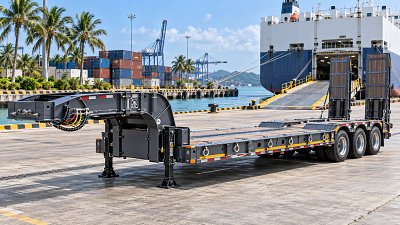
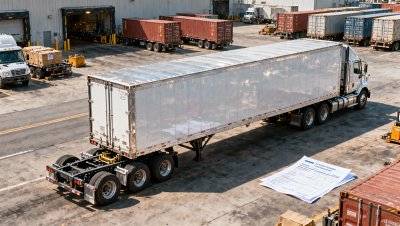
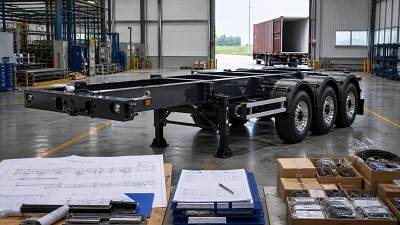
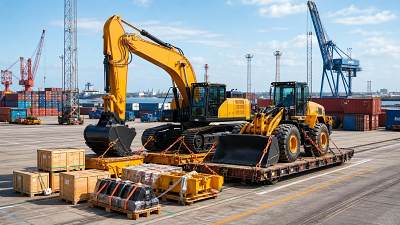
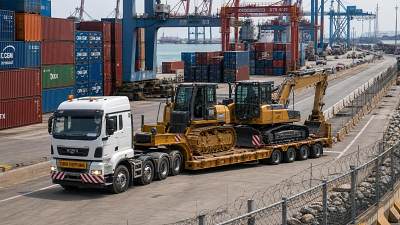
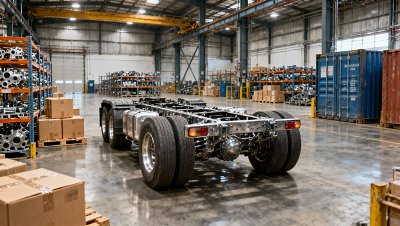
A low bed trailer is designed for heavy equipment transport. Its lowered deck helps move excavators, loaders, rollers, and oversized machines while keeping total transport height within permitted limits.
For low bed trailer export to Southeast Asia, specifications are not limited to capacity figures. They include total length, trailer width, gooseneck structure, suspension type, king pin standard, and axle spacing.
Export specifications also include declared tare weight, payload rating, steel grade, braking system, lighting configuration, and tire details. These data points affect shipping bookings, customs coding, and inland registration review.
The most successful export plans treat specification sheets as trade documents, not only engineering documents. Consistency across quotation, invoice, packing list, and technical drawing is essential.
Why specification accuracy matters
- It helps ports confirm cargo handling requirements before vessel loading.
- It supports customs officers during product classification and compliance checks.
- It reduces disputes about actual dimensions after arrival.
- It improves confidence in low bed trailer export to Southeast Asia transactions.
Current Industry Concerns in Southeast Asian Trailer Clearance
Southeast Asia is not a single regulatory market. Each destination may apply different road transport practices, registration requirements, and import review processes for trailers and semi-trailers.
Even where formal standards look similar, inspection focus can differ. One port may prioritize actual trailer width, while another checks axle count, reflective markings, or brake compatibility first.
This is why low bed trailer export to Southeast Asia should start with destination-specific validation. Standard factory models may need minor adjustments to fit local transport conditions and paperwork expectations.
Practical market signals
Regional logistics growth is increasing demand for equipment trailers. At the same time, customs systems are becoming more digitized, which means specification inconsistencies are easier to detect.
Port congestion and storage costs also make delays more expensive. In this environment, low bed trailer export to Southeast Asia benefits from standardization, traceable documents, and accurate pre-shipment verification.
Key Specifications That Help Avoid Clearance Delays
Several specifications have a direct effect on customs review, vessel acceptance, and destination handling. These points should be confirmed before production release and before booking shipment space.
1. Overall length and width
Length and width influence both freight planning and road legality. Excess width may trigger special handling. Excess length may complicate unloading yards and final transport permits.
For low bed trailer export to Southeast Asia, actual finished dimensions should be measured and photographed. Brochure values alone are not always accepted during trade review or local registration.
2. Deck height and loading angle
Deck height is critical because it affects the total loaded height of machinery. A lower deck can prevent route restrictions, especially where bridges, urban roads, and rural access points are limited.
Ramp angle matters too. If the loading angle is too steep, the trailer may be unsuitable for certain machines, even if the payload rating looks correct.
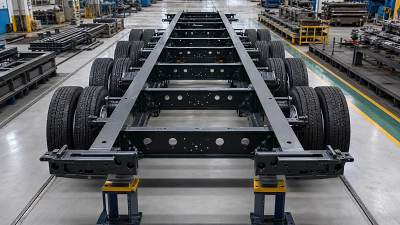
3. Axle count, axle spacing, and suspension
Axle configuration shapes weight distribution and road impact. Different projects and destinations may prefer two-axle, three-axle, or multi-axle low bed trailer arrangements.
Suspension type also influences operating conditions. Mechanical suspension may suit heavy-duty simplicity, while air suspension may support sensitive cargo and road protection expectations.
4. Tare weight and payload rating
Declared tare weight must reflect the real finished unit. If it is understated, inland transport planning may fail. If overstated, customs classification and cost calculations may be questioned.
Payload rating should also be realistic. Overstated capacity can create liability concerns if the chassis, axles, or deck structure do not support repeated field use.
5. Brake system and electrical interface
Brake chambers, air lines, connectors, and emergency braking details should match the intended tractor standards. Electrical plugs and lamp layout should be declared clearly on technical documents.
In low bed trailer export to Southeast Asia, these details matter because some destination markets require local compatibility checks before road use approval.
Business Value of Correct Export Specifications
Well-defined specifications create commercial value beyond customs speed. They support stable supplier evaluation, smoother freight coordination, and lower post-arrival modification costs.
For platform-based international trade, accurate trailer data helps product comparison become more reliable. It allows cross-border buyers to shortlist suitable units with fewer technical misunderstandings.
- Reduced port storage and detention exposure
- Better match between trailer and local transport tasks
- Lower risk of specification disputes after delivery
- Improved trust in low bed trailer export to Southeast Asia supply chains
The Global Heavy Truck Industry Platform supports this process by connecting product discovery with supplier visibility, technical comparison, and industry resources across commercial vehicles and heavy equipment.
Typical Trailer Configurations for Common Regional Applications
Different project environments require different low bed trailer designs. The right export specification depends on cargo type, route condition, and local operating limitations.
Practical Recommendations Before Shipment
To reduce avoidable issues, low bed trailer export to Southeast Asia should follow a simple but disciplined verification process before dispatch.
- Confirm destination road limits and registration expectations.
- Measure actual finished dimensions after production.
- Check axle model, suspension, tire size, and brake details.
- Align invoice, packing list, drawing, and nameplate data.
- Prepare loading photos and technical specification sheets.
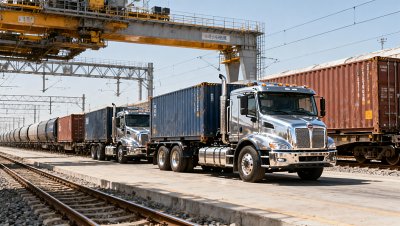
- Review port handling method, especially for RoRo or flat rack cargo.
It is also useful to verify whether accessories are mounted or packed separately. Detachable ramps, spare tires, and toolboxes can affect declared package details and inspection outcomes.
Where multiple trailers are exported together, unit-level identification should remain clear. Chassis number, axle count, and exact model designation should be traceable across all export records.
Next-Step Guidance for Better Cross-Border Trailer Trade
Reliable low bed trailer export to Southeast Asia begins with specification discipline. The most effective approach combines product suitability, complete technical data, and destination-aware documentation.
When sourcing through a specialized B2B channel, compare not only trailer price and payload. Review drawings, axle layout, deck height, compliance details, and supplier transparency before shipment planning.
The Global Heavy Truck Industry Platform provides access to trailer products, supplier resources, and market information that support more efficient international matching. This helps reduce uncertainty in low bed trailer export to Southeast Asia.
A clear specification checklist, backed by verified documents, is often the difference between fast release and costly delay. In regional trailer trade, precision is not optional. It is part of delivery performance.
Trending News
- When does heavy equipment transport require a lowboy trailer?
- When does a light commercial vehicle for urban delivery save fleet costs?
- How to choose an off road truck for steep and unstable job sites
- How to match crane truck lifting capacity to your jobsite loads
- What drives logging truck cost beyond the base purchase price?
Tag
Recommended News
 Truck ExportWhat documents are needed to export a low bed trailer to Southeast Asia?Low bed trailer export to Southeast Asia: discover essential shipping, customs, origin, and technical documents to avoid delays and ensure smooth import clearance.
 Truck ExportHow to verify supplier reliability when sourcing bulldozers overseasBulldozer sourcing made safer: learn how to verify overseas suppliers, inspect quality, confirm specifications, manage export documents, and reduce lifecycle risk.
 Truck ExportWhat paperwork is required for heavy equipment export shipments?Heavy equipment export paperwork explained: invoices, customs filings, bills of lading, origin certificates, technical approvals, and compliance records for smoother global shipments.
 Truck ExportHow to reduce quality risks when sourcing dump trucks overseasDump truck sourcing made safer: learn how to verify suppliers, control specifications, meet compliance rules, and inspect trucks before shipment.
 Truck ExportChina’s Electric Heavy Truck Exports Double in Four Months, With South and Southeast Asia LeadingChina’s electric heavy truck exports doubled in four months, with South and Southeast Asia leading demand. Explore compliance, delivery, and market-entry opportunities now.
 Truck ExportU.S. Final Ruling on Chinese Box Trailers Nears, Exporters Brace for ComplianceChinese box trailer exporters face the U.S. final ruling on anti-dumping duties. Learn how pricing, HS code compliance, contracts, and supply chains may be impacted.
 Truck ExportWhat to check before choosing a dump truck exporterDump truck exporter guide: discover the key checks before buying, from truck specs and compliance to export support, and avoid costly sourcing mistakes.
 Truck ExportBaosteel’s EN 15804+A2 EPD Signals a New Compliance Layer for Heavy Plate ExportsBaosteel’s EN 15804+A2 EPD Signals a New Compliance Layer for Heavy Plate Exports, showing how carbon disclosure and verified documentation may reshape export approval, sourcing, and OEM screening.
 Truck ExportHow to Evaluate a Water Truck Exporter for Build Quality and After-Sales SupportWater truck exporter selection starts with more than price. Learn how to assess build quality, compliance, parts support, and after-sales service before placing an order.
 Truck ExportHow to Evaluate a Semi Trailer Exporter for Compliance, Lead Time, and After-Sales SupportSemi trailer exporter evaluation made practical: learn how to verify compliance, compare real lead times, and assess after-sales support before choosing a reliable supplier.
 Truck ExportConstruction Machinery Exporter Checklist for Overseas Delivery RisksConstruction machinery exporter checklist for overseas delivery risks: learn how to reduce damage, customs delays, document errors, and cost exposure before shipment.
 Truck ExportChina Adds Battery Carbon Footprint Filing for NEV Truck ExportsChina adds battery carbon footprint filing for NEV truck exports, reshaping customs clearance, lead times, and export costs. Learn who is affected and how to prepare now.
 Truck ExportTruck Trailer OEM Checklist: Key Quality Points Before Supplier ApprovalTruck trailer OEM approval starts with the right checklist. Discover key quality, compliance, and audit points to screen suppliers, reduce sourcing risk, and choose with confidence.
 Truck ExportHeavy Equipment Export to Africa: Hidden Cost Risks Beyond Unit PriceHeavy equipment export to Africa involves more than unit price. Discover hidden costs in logistics, customs, parts, and after-sales support to make smarter, lower-risk buying decisions.
 Truck ExportTruck Tipper Exporter Checklist: 7 Risks to Review Before SigningTruck tipper exporter checklist: review 7 critical risks before signing, from compliance and quality control to delivery, warranty, and payment protection.
 Truck ExportChina Customs Rolls Out 2026 Export Truck GuideChina Customs Rolls Out 2026 Export Truck Guide: learn how new battery safety, automated driving data compliance, and GCC certification checks could impact truck exports and shipment readiness.
![]() Truck ExportWhat OEM Services Really Matter in a Commercial Trucks ManufacturerCommercial trucks manufacturer with OEM services: learn which OEM capabilities truly protect uptime, compliance, parts access, and fleet cost before you shortlist suppliers.
 Truck ExportCommercial Trucks Manufacturer in China: Export Quality Standards to CheckCommercial trucks manufacturer in China: learn which export quality standards, certifications, factory controls, and compliance checks reduce sourcing risk and protect fleet performance.
 Truck ExportMexico Cuts PROSEC Duty on Truck Chassis, Adds Audit RuleMexico Cuts PROSEC Duty on Truck Chassis to 0% from July 2026, but new audit rules and a 35% localization threshold raise compliance risks. Learn what importers must do to stay eligible.
 Truck ExportAlashankou Opens Priority Clearance for New Energy TrucksAlashankou opens priority clearance for new energy trucks, cutting export customs time by 3.2 days. Learn how UN38.3, GB 38031, and ECE R100.03 compliance can speed rail deliveries.
 Truck ExportDump Truck Supplier in Brazil: Import Costs, Lead Times, and Compliance PointsDump truck supplier in Brazil guide: compare real import costs, lead times, and compliance points to avoid delays, control landed cost, and choose a reliable supplier faster.
 Truck ExportCommercial Trucks Manufacturer in China: How to Compare Factory StrengthCommercial trucks manufacturer in China comparison guide: learn how to assess factory strength, quality control, certifications, and export capability for safer, smarter sourcing.
 Truck ExportTruck Cement Exporter Checklist for Cross-Border Compliance and DeliveryTruck cement exporter checklist for cross-border success: verify compliance, documents, packaging, and delivery planning to reduce risk and choose reliable suppliers with confidence.
 Truck ExportIndia Cuts HS 8701.20 Export Rebate to 9%India Cuts HS 8701.20 Export Rebate to 9%: learn how the DGFT move impacts electric heavy truck chassis pricing, margins, contracts, and India-bound supply chain planning.
 Truck ExportVietnam Halts Non-EVTA Truck Import FilingsVietnam Halts Non-EVTA Truck Import Filings: learn how MOIT’s new rule affects Chinese heavy trucks, EVTA Form EUR.1 compliance, shipment risk, and Vietnam delivery planning.