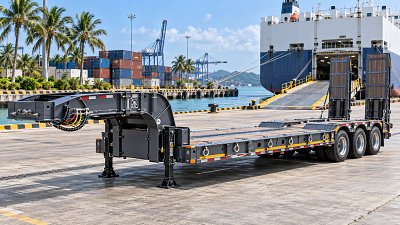
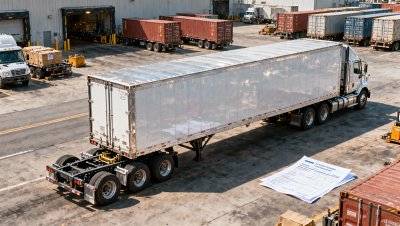
Low Bed Trailer Export With Waterproof Features: Key Specs That Matter
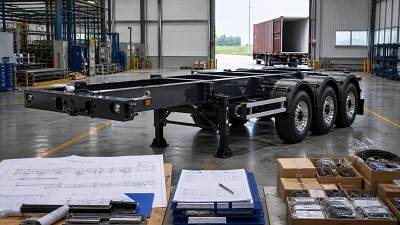
For quality control and safety managers, low bed trailer export with waterproof features is not just about transport capacity—it is about cargo protection, structural reliability, and compliance in demanding cross-border operations. Understanding the key specs that influence sealing performance, material durability, and load security can help reduce risk, prevent damage, and support smarter procurement decisions.
Why Scenario Differences Matter in Low Bed Trailer Export Decisions
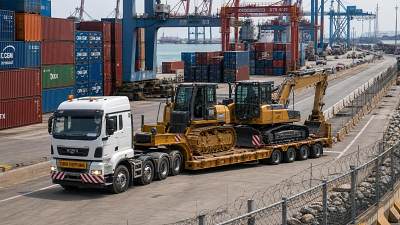
In road transport equipment procurement, the same trailer specification rarely fits every export application. A low bed trailer export with waterproof features may perform well for construction machinery moving through coastal ports, yet prove insufficient for mining equipment shipments exposed to long rainy transit routes, customs inspection delays, and repeated loading cycles. For quality control teams, that difference is critical. For safety managers, it directly affects cargo stability, corrosion exposure, brake system integrity, and accident prevention.
The practical challenge is that waterproofing in low bed trailers is often misunderstood. Some buyers focus only on tarpaulin coverage or deck paint thickness, while overlooking seal points around electrical harnesses, lamp housings, tool boxes, axle zones, and welded structural transitions. In export trade, those details can determine whether the trailer arrives ready for service or faces early maintenance claims, cargo loss risk, or compliance concerns.
That is why evaluating low bed trailer export with waterproof features should always be scenario-based. The right specification depends on operating geography, cargo type, storage conditions, loading frequency, axle load profile, and the expected maintenance capabilities of the buyer.
Typical Export Scenarios Where Waterproof Features Matter Most
Quality and safety requirements become clearer when the equipment is matched to real use cases. The following scenarios are the most common in international trade for low bed trailer export with waterproof features.
1. Port-to-project transport in coastal climates
Trailers shipped to coastal regions face persistent humidity, salt spray, and open-yard storage. In this scenario, waterproofing is closely tied to anti-corrosion performance. Safety managers should pay special attention to sealed electrical systems, anti-rust coating on the chassis underside, and drainage paths that prevent standing water on the deck or inside boxed sections.
2. Cross-border infrastructure projects during rainy seasons
When trailers are used for highway, bridge, or municipal construction projects, they often operate on muddy routes with intermittent stops. Waterproof features in this case support load security and braking reliability. Water and mud intrusion can affect connectors, ABS lines, lamp systems, and locking devices. Buyers in this scenario should prioritize sealed wiring, mud-resistant protection, and robust surface treatment.
3. Heavy equipment relocation for mining and energy sectors
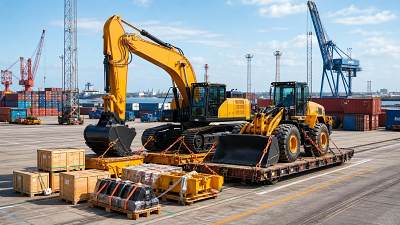
Mining, oilfield, and power generation sites often involve oversized or high-value loads. Here, the goal is not only keeping the trailer itself protected, but also reducing splash, vibration-related seal failure, and deck slipperiness during loading. A low bed trailer export with waterproof features in this setting should offer durable anti-skid decking, sealed suspension-related components where applicable, and reliable lashing points that maintain performance after repeated wet exposure.
4. Long-distance dealer stock and open-yard storage
Some export buyers are distributors rather than end users. Their trailers may sit outdoors for weeks or months before delivery. In this scenario, waterproofing must be assessed as a storage protection system. QC personnel should inspect coating adhesion, cavity sealing, waterproof tool boxes, connector caps, and the ability of drain holes to remain functional without trapping moisture.
Scenario Comparison: What Specs Matter Under Different Conditions
The table below helps quality control and safety teams compare the most important specifications by application context.
Key Specifications That Matter in Low Bed Trailer Export With Waterproof Features
Across different applications, several technical areas consistently influence performance. These are the specs QC and safety teams should verify before approving a supplier or shipment.
Chassis coating and corrosion defense
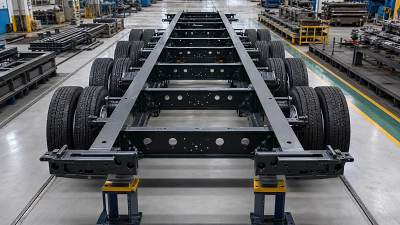
A waterproof trailer is not just one with covered cargo. Its steel structure must resist moisture ingress and long-term corrosion. Look for documented blasting preparation, primer compatibility, topcoat thickness, and underside protection. In export business, this is especially important because trailers may remain in transit and storage for extended periods before operation begins.
Sealed electrical and lighting systems
Lamp failure and wiring corrosion are common field issues. A strong low bed trailer export with waterproof features should include sealed lamp assemblies, water-resistant connectors, harness protection sleeves, and thoughtful routing away from impact and spray zones. Safety managers should also require electrical function checks after simulated wet conditions.
Deck drainage and anti-slip design
Water accumulation on the deck can create loading hazards and accelerate localized corrosion. Drainage channels, open runoff paths, and anti-skid deck surfaces are practical indicators of a design built for wet-service conditions. This matters even more when moving excavators, rollers, or transformers onto the trailer in remote project zones.
Protection of air, brake, and suspension-related components
Where braking systems, hoses, chambers, and connectors are exposed to direct water and debris, reliability may decline. Export buyers should confirm routing shields, protective brackets, corrosion-resistant fittings, and maintenance accessibility. Waterproof capability should never compromise inspectability.
Tool box, fastener, and access point sealing
Small details often reveal manufacturing discipline. Poorly sealed tool boxes, hinge areas, bolt interfaces, and panel seams are early failure points. For QC teams, these areas are useful checkpoints because they show whether the supplier’s waterproof approach is engineered or merely cosmetic.
How Requirements Change by Buyer Type
Not every buyer evaluates waterproof performance in the same way. The procurement criteria for contractors, fleet operators, distributors, and public-sector purchasers are different.
Common Misjudgments in Waterproof Trailer Procurement
Many sourcing mistakes happen because buyers simplify waterproofing to visible appearance. That can be risky in low bed trailer export with waterproof features, especially when the trailer will be used in demanding road transport operations.
- Assuming thick paint equals full waterproof protection without checking weld seams, cavities, and drain paths.
- Focusing on cargo covering methods while ignoring electrical and brake component sealing.
- Accepting generic “waterproof” claims without test evidence, inspection photos, or process records.
- Overlooking the effect of open-yard storage during transit, port waiting, or distributor inventory cycles.
- Choosing a configuration based only on rated load rather than real environmental exposure and maintenance conditions.
Practical Evaluation Checklist for QC and Safety Managers
Before confirming an order, quality control and safety teams can use a practical checklist to determine whether a low bed trailer export with waterproof features is truly fit for the intended application.
- Review export destination climate, storage conditions, and typical route exposure.
- Match waterproof features to the real cargo profile, including equipment track mud, oil contamination, and wet loading conditions.
- Request coating process details, seal material information, and electrical protection specifications.
- Inspect weld quality, drainage logic, access point sealing, and the routing of vulnerable systems.
- Verify whether the supplier can provide pre-shipment testing, inspection reports, and after-sales parts support.
- Confirm compliance with local road transport regulations, lighting rules, and safety marking requirements.
FAQ: Buyer Questions About Low Bed Trailer Export With Waterproof Features
Does waterproof mean the trailer can fully protect all cargo from rain?
Not necessarily. In most cases, waterproof features refer to the trailer’s own structural and system protection, such as sealed electrical parts, protected components, and corrosion-resistant construction. Cargo protection may still require covers, customized supports, or packaging depending on the load.
Which export markets should care most about waterproof specifications?
Coastal regions, tropical climates, high-rainfall countries, and markets with long port dwell times should place higher priority on waterproof design. However, even dry markets may need it if trailers are stored outdoors or used in muddy construction zones.
What documents should buyers ask from suppliers?
Buyers should request coating specifications, inspection reports, electrical component details, welding and material documentation, and photos or videos of key sealing areas. For higher-risk projects, third-party inspection before shipment is strongly recommended.
Make the Final Choice Based on Your Real Operating Scenario
The best low bed trailer export with waterproof features is not simply the one with the most options on paper. It is the one that aligns with your transport environment, cargo risk level, storage pattern, and maintenance reality. For quality control personnel, that means verifying process evidence, not just sales claims. For safety managers, it means assessing how waterproof specifications affect braking reliability, deck traction, visibility systems, and long-term structural integrity.
If your team is comparing suppliers across the global road transport equipment market, use a platform that helps you evaluate products, review technical details, compare manufacturers, and identify reliable export partners with confidence. A scenario-based sourcing process will reduce avoidable risk, improve asset durability, and support better cross-border trailer procurement decisions.
Trending News
- When does a light commercial vehicle for urban delivery save fleet costs?
- How to choose an off road truck for steep and unstable job sites
- How to match crane truck lifting capacity to your jobsite loads
- What drives logging truck cost beyond the base purchase price?
- How to match lowbed trailer deck height to your hauling equipment
Tag
Recommended News
 Truck ExportWhat documents are needed to export a low bed trailer to Southeast Asia?Low bed trailer export to Southeast Asia: discover essential shipping, customs, origin, and technical documents to avoid delays and ensure smooth import clearance.
 Truck ExportHow to verify supplier reliability when sourcing bulldozers overseasBulldozer sourcing made safer: learn how to verify overseas suppliers, inspect quality, confirm specifications, manage export documents, and reduce lifecycle risk.
 Truck ExportWhat paperwork is required for heavy equipment export shipments?Heavy equipment export paperwork explained: invoices, customs filings, bills of lading, origin certificates, technical approvals, and compliance records for smoother global shipments.
 Truck ExportHow to reduce quality risks when sourcing dump trucks overseasDump truck sourcing made safer: learn how to verify suppliers, control specifications, meet compliance rules, and inspect trucks before shipment.
 Truck ExportChina’s Electric Heavy Truck Exports Double in Four Months, With South and Southeast Asia LeadingChina’s electric heavy truck exports doubled in four months, with South and Southeast Asia leading demand. Explore compliance, delivery, and market-entry opportunities now.
 Truck ExportU.S. Final Ruling on Chinese Box Trailers Nears, Exporters Brace for ComplianceChinese box trailer exporters face the U.S. final ruling on anti-dumping duties. Learn how pricing, HS code compliance, contracts, and supply chains may be impacted.
 Truck ExportWhat to check before choosing a dump truck exporterDump truck exporter guide: discover the key checks before buying, from truck specs and compliance to export support, and avoid costly sourcing mistakes.
 Truck ExportBaosteel’s EN 15804+A2 EPD Signals a New Compliance Layer for Heavy Plate ExportsBaosteel’s EN 15804+A2 EPD Signals a New Compliance Layer for Heavy Plate Exports, showing how carbon disclosure and verified documentation may reshape export approval, sourcing, and OEM screening.
 Truck ExportHow to Evaluate a Water Truck Exporter for Build Quality and After-Sales SupportWater truck exporter selection starts with more than price. Learn how to assess build quality, compliance, parts support, and after-sales service before placing an order.
 Truck ExportHow to Evaluate a Semi Trailer Exporter for Compliance, Lead Time, and After-Sales SupportSemi trailer exporter evaluation made practical: learn how to verify compliance, compare real lead times, and assess after-sales support before choosing a reliable supplier.
 Truck ExportConstruction Machinery Exporter Checklist for Overseas Delivery RisksConstruction machinery exporter checklist for overseas delivery risks: learn how to reduce damage, customs delays, document errors, and cost exposure before shipment.
 Truck ExportChina Adds Battery Carbon Footprint Filing for NEV Truck ExportsChina adds battery carbon footprint filing for NEV truck exports, reshaping customs clearance, lead times, and export costs. Learn who is affected and how to prepare now.
 Truck ExportTruck Trailer OEM Checklist: Key Quality Points Before Supplier ApprovalTruck trailer OEM approval starts with the right checklist. Discover key quality, compliance, and audit points to screen suppliers, reduce sourcing risk, and choose with confidence.
 Truck ExportHeavy Equipment Export to Africa: Hidden Cost Risks Beyond Unit PriceHeavy equipment export to Africa involves more than unit price. Discover hidden costs in logistics, customs, parts, and after-sales support to make smarter, lower-risk buying decisions.
 Truck ExportTruck Tipper Exporter Checklist: 7 Risks to Review Before SigningTruck tipper exporter checklist: review 7 critical risks before signing, from compliance and quality control to delivery, warranty, and payment protection.
 Truck ExportChina Customs Rolls Out 2026 Export Truck GuideChina Customs Rolls Out 2026 Export Truck Guide: learn how new battery safety, automated driving data compliance, and GCC certification checks could impact truck exports and shipment readiness.
![]() Truck ExportWhat OEM Services Really Matter in a Commercial Trucks ManufacturerCommercial trucks manufacturer with OEM services: learn which OEM capabilities truly protect uptime, compliance, parts access, and fleet cost before you shortlist suppliers.
 Truck ExportCommercial Trucks Manufacturer in China: Export Quality Standards to CheckCommercial trucks manufacturer in China: learn which export quality standards, certifications, factory controls, and compliance checks reduce sourcing risk and protect fleet performance.
 Truck ExportMexico Cuts PROSEC Duty on Truck Chassis, Adds Audit RuleMexico Cuts PROSEC Duty on Truck Chassis to 0% from July 2026, but new audit rules and a 35% localization threshold raise compliance risks. Learn what importers must do to stay eligible.
 Truck ExportAlashankou Opens Priority Clearance for New Energy TrucksAlashankou opens priority clearance for new energy trucks, cutting export customs time by 3.2 days. Learn how UN38.3, GB 38031, and ECE R100.03 compliance can speed rail deliveries.
 Truck ExportDump Truck Supplier in Brazil: Import Costs, Lead Times, and Compliance PointsDump truck supplier in Brazil guide: compare real import costs, lead times, and compliance points to avoid delays, control landed cost, and choose a reliable supplier faster.
 Truck ExportCommercial Trucks Manufacturer in China: How to Compare Factory StrengthCommercial trucks manufacturer in China comparison guide: learn how to assess factory strength, quality control, certifications, and export capability for safer, smarter sourcing.
 Truck ExportTruck Cement Exporter Checklist for Cross-Border Compliance and DeliveryTruck cement exporter checklist for cross-border success: verify compliance, documents, packaging, and delivery planning to reduce risk and choose reliable suppliers with confidence.
 Truck ExportIndia Cuts HS 8701.20 Export Rebate to 9%India Cuts HS 8701.20 Export Rebate to 9%: learn how the DGFT move impacts electric heavy truck chassis pricing, margins, contracts, and India-bound supply chain planning.
 Truck ExportVietnam Halts Non-EVTA Truck Import FilingsVietnam Halts Non-EVTA Truck Import Filings: learn how MOIT’s new rule affects Chinese heavy trucks, EVTA Form EUR.1 compliance, shipment risk, and Vietnam delivery planning.