How to Vet a Construction Machinery Supplier for Municipal Engineering
Choosing the right construction machinery supplier for municipal engineering can directly affect project timelines, safety, and long-term operating costs. For project managers handling roads, drainage, and public infrastructure, careful supplier evaluation is essential to avoid delays and quality risks. This guide explains how to assess supplier credibility, product capability, and service support to make smarter sourcing decisions.
Why supplier vetting matters in municipal engineering projects
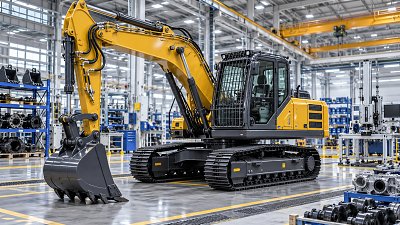
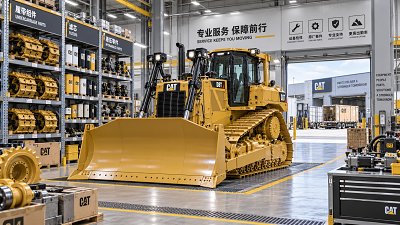
Municipal engineering work is rarely simple. A single project may combine road excavation, trenching, pipe installation, material transport, compaction, lifting, and site cleanup across dense urban areas. That is why choosing a construction machinery supplier for municipal engineering is not only a purchasing task. It is a risk-control decision tied to schedule reliability, operating safety, and budget discipline.
Project managers often face compressed delivery windows, changing site conditions, strict local compliance requirements, and pressure to reduce downtime. If the supplier lacks product range, technical documentation, spare parts support, or export experience, equipment sourcing can quickly become a bottleneck. In the land transportation equipment sector, this risk is even higher because machinery, trucks, trailers, and spare parts must work as an integrated system.
- Delayed machine delivery can postpone earthwork, paving, drainage, or utility installation milestones.
- Poor equipment matching can increase fuel use, labor hours, and rework on crowded municipal job sites.
- Weak after-sales response can leave idle excavators, loaders, compactors, or transport vehicles waiting for parts.
- Incomplete compliance records can slow customs clearance, registration, or project approval procedures.
A dependable construction machinery supplier for municipal engineering should therefore be assessed from multiple angles: commercial credibility, technical fit, support capability, and supply chain stability.
How to define the right supplier profile before requesting quotations
Before comparing prices, define what kind of supplier your project actually needs. Municipal projects do not always require the largest manufacturer. In many cases, the better choice is a supplier with broad equipment coordination ability, flexible sourcing, strong documentation support, and familiarity with cross-border delivery in heavy trucks and construction machinery.
Start with project operating conditions
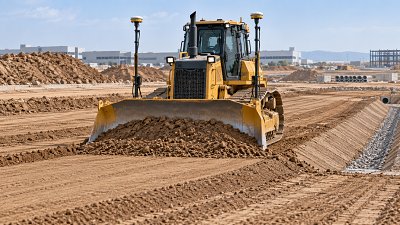
Map the project into work packages: excavation, hauling, lifting, grading, compaction, and surface restoration. Then identify machine categories, expected utilization hours, road access restrictions, and required truck-equipment coordination. This step helps avoid a common mistake: selecting machines by headline capacity instead of actual municipal jobsite constraints.
Clarify whether you need a single-product vendor or a coordinated sourcing partner
If your procurement list includes excavators, wheel loaders, dump trucks, mixer trucks, trailers, attachments, and spare parts, fragmented sourcing creates management overhead. A platform-based sourcing channel can reduce this issue by helping buyers compare multiple qualified suppliers within one commercial vehicle and heavy equipment ecosystem.
The table below can help project managers define a suitable construction machinery supplier for municipal engineering based on project complexity and sourcing scope.
This comparison shows why supplier fit depends on more than price. In municipal engineering, sourcing efficiency often comes from category integration and support readiness rather than buying each item from the lowest bidder.
What should you check first when evaluating supplier credibility?
The first filter is credibility. When evaluating a construction machinery supplier for municipal engineering, project leaders should verify whether the business can consistently fulfill contracts, communicate clearly, and provide traceable product information. A polished catalog is not enough.
Core credibility checkpoints
- Check company identity, registration details, export history, and product category focus.
- Ask for recent transaction documentation formats such as proforma invoices, packing lists, or sample specification sheets.
- Review whether the supplier can provide machine serial traceability, parts lists, and operator or maintenance manuals.
- Evaluate response speed and technical clarity during pre-sales communication.
- Confirm whether the supplier understands destination market requirements for transport equipment and construction machinery.
For project teams sourcing internationally, digital procurement platforms can improve this process. The Global Heavy Truck Industry Platform helps buyers compare suppliers across construction machinery, complete trucks, trailers, truck chassis, and spare parts within one industry-focused environment. That matters when municipal engineering procurement involves both on-site machines and supporting road transport equipment.
Warning signs that deserve extra scrutiny
- Unclear answers about lead time, origin, or documentation.
- Inability to explain compatible spare parts or service intervals.
- Large performance claims without verifiable product data.
- No structured process for packaging, shipment preparation, or after-sales support.
How to assess product capability for municipal applications
A qualified construction machinery supplier for municipal engineering should demonstrate that its products are suitable for actual urban infrastructure tasks. Project managers should review machine capability in relation to narrow streets, mixed soil conditions, noise limitations, frequent stop-start cycles, and coordination with dump trucks or trailers.
Key technical questions to ask
- Is the machine size appropriate for restricted municipal work zones?
- Can the equipment operate efficiently with available transport trucks and local fuel quality?
- Are attachments available for trenching, lifting, sweeping, or material handling?
- What are the maintenance intervals and wear-part replacement expectations?
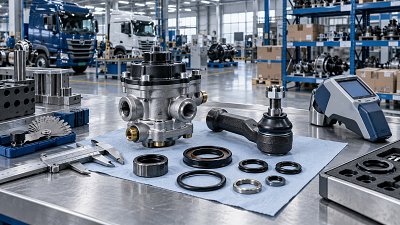
- Can the supplier provide spare parts support for high-wear items?
The following matrix helps compare equipment-related evaluation points when screening suppliers for municipal engineering procurement.
This table highlights a practical truth: the best supplier is the one whose products fit the workflow, transport method, and maintenance capacity of your project, not simply the one with the broadest brochure.
Which service and delivery capabilities reduce project risk?
In municipal works, service support is often more valuable than a small upfront discount. A construction machinery supplier for municipal engineering should be able to explain how orders move from technical confirmation to shipment, customs preparation, arrival, and post-delivery support.
Service areas that directly affect execution
- Quotation accuracy, including equipment scope, accessories, and commercial terms.
- Lead time transparency for machines, spare parts, and optional attachments.
- Packing and shipping coordination for oversized equipment and road transport units.
- After-sales communication channels for commissioning questions and parts requests.
- Document support for invoices, packing data, manuals, and compliance records.
For buyers managing cross-border procurement, an industry-specific B2B platform can simplify multi-supplier communication. The Global Heavy Truck Industry Platform is especially useful when municipal projects require linked procurement across heavy trucks, trailers, construction machinery, and related components. Instead of searching disconnected sources, project teams can review product categories, compare suppliers, and access industry buying resources in one place.
How to compare price, lifecycle cost, and sourcing alternatives
A low purchase price can become expensive if maintenance parts are hard to obtain, fuel consumption is high, or equipment sits idle waiting for technical clarification. Project managers should compare total ownership impact over the expected project duration, especially when equipment supports roadworks, drainage construction, and public utility upgrades.
Cost factors beyond the quotation sheet
- Delivery and inland transport costs for heavy equipment and supporting vehicles.
- Spare parts availability and replacement lead time for wear components.
- Fuel efficiency and operator productivity under real municipal duty cycles.
- Attachment flexibility that reduces the need for extra machines.
- Residual usability for future projects after completion of the current contract.
When possible, compare at least three sourcing paths: direct manufacturer quotation, distributor offer, and platform-assisted supplier comparison. This does not guarantee the cheapest deal, but it improves visibility into options, specifications, and trade-offs. For a construction machinery supplier for municipal engineering, transparency often matters more than headline discounting.
What standards and compliance documents should buyers request?
Compliance requirements differ by destination market and equipment type, but project managers should never leave documentation checks until the final shipping stage. Construction machinery, heavy trucks, and trailers may require technical files, operating manuals, inspection records, or conformity-related documents depending on local import and operating rules.
Practical document checklist
- Technical specification sheet with key dimensions, capacities, and configuration details.
- Operator and maintenance manuals in an acceptable language format.
- Parts catalog or service parts reference for routine maintenance items.
- Packing information and shipping details relevant to loading and unloading planning.
- Any general conformity or inspection-related documents commonly required in the destination market.
Because municipal engineering procurement often includes both machinery and road transport equipment, buyers should coordinate compliance review across the full package. This is another reason why a specialized platform focused on commercial vehicles and heavy equipment can add value during supplier screening.
Common mistakes when selecting a construction machinery supplier for municipal engineering
Mistake 1: Choosing only by unit price
A lower machine price may hide higher logistics costs, missing attachments, weak documentation, or long parts lead times. Municipal projects are sensitive to delays, so cost should be evaluated together with delivery reliability and service responsiveness.
Mistake 2: Ignoring truck and trailer coordination
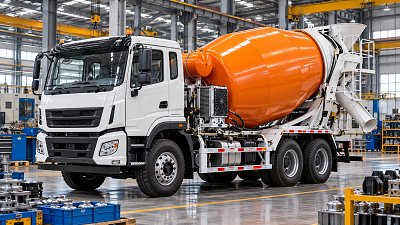
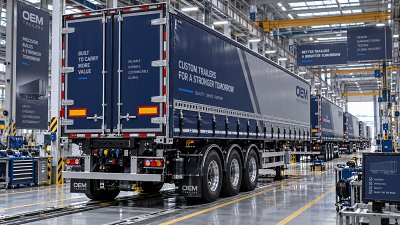
Construction machinery does not operate in isolation. Excavated material, aggregates, pipes, barriers, and support equipment all depend on road transport. Buyers should assess whether the supplier or sourcing platform understands the interaction between machinery and heavy truck logistics.
Mistake 3: Underestimating after-sales documentation
When a machine stops, the first need is often not a replacement unit but clear troubleshooting and parts identification. Suppliers who can quickly provide service references and parts information reduce downtime significantly.
FAQ: what project managers often ask before placing an order
How do I shortlist a construction machinery supplier for municipal engineering quickly?
Use a three-step filter. First, confirm product scope and whether the supplier can cover your required machine categories. Second, verify documentation and response quality. Third, compare lead times, spare parts support, and transport coordination. This method is faster and more reliable than screening on price alone.
What equipment categories are most commonly bundled in municipal procurement?
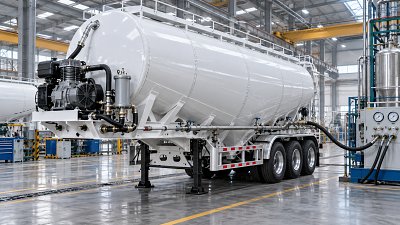
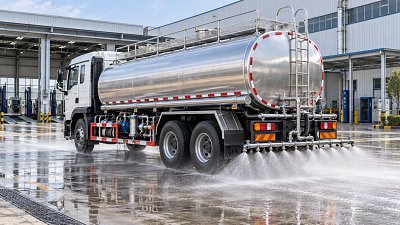
Typical bundles include excavators, loaders, compactors, dump trucks, water trucks, crane support units, trailers, and spare parts. For larger infrastructure packages, buyers may also need chassis-related products or transport accessories. A specialized commercial vehicle and heavy equipment platform can help coordinate these categories more efficiently.
How important is after-sales support if the machines are technically simple?
It is still critical. Even relatively straightforward machines need filters, hydraulic parts, wear components, and operating guidance. In municipal engineering, one idle unit can affect multiple downstream activities, so quick parts identification and communication matter.
Can a B2B platform really help with supplier evaluation?
Yes, especially when procurement spans multiple heavy equipment and transport categories. The Global Heavy Truck Industry Platform gives buyers access to a focused industry marketplace, supplier comparison opportunities, product discovery tools, and buying resources that support more informed municipal engineering sourcing decisions.
Why choose us for municipal engineering equipment sourcing
For project managers looking for a reliable construction machinery supplier for municipal engineering, the challenge is not only finding machines. It is finding the right combination of machinery, road transport equipment, supplier visibility, and decision support. The Global Heavy Truck Industry Platform is built for this exact sourcing environment.
- You can compare suppliers across construction machinery, complete trucks, trailers, chassis products, and spare parts within one specialized B2B ecosystem.
- You can consult on product selection based on municipal project tasks such as roadworks, drainage, hauling, and infrastructure support.
- You can discuss delivery timelines, documentation needs, and sourcing coordination for multi-category procurement.
- You can request support for specification confirmation, spare parts planning, certification-related questions, and quotation comparison.
If you are preparing a municipal engineering purchase plan, contact us to discuss equipment parameters, supplier comparison, delivery cycle expectations, configuration options, certification requirements, sample documentation, and quotation communication. A more structured sourcing process now can reduce project risk long before machines arrive on site.
Trending News
- When does a light commercial vehicle for urban delivery save fleet costs?
- How to choose an off road truck for steep and unstable job sites
- How to match crane truck lifting capacity to your jobsite loads
- What drives logging truck cost beyond the base purchase price?
- How to match lowbed trailer deck height to your hauling equipment
Tag
Recommended News
 Buying GuideHow to choose an off road truck for steep and unstable job sitesChoose the right off road truck for steep, unstable job sites. Compare traction, braking, stability, clearance, payload, and route-test essentials.
 Buying GuideHow to match crane truck lifting capacity to your jobsite loadsCrane truck capacity planning made clear: calculate gross load, radius, rigging, outriggers, and ground conditions to select safer, job-ready lifting equipment.
 Buying GuideHow to match lowbed trailer deck height to your hauling equipmentLowbed trailer deck height guide: match equipment clearance, ramp geometry, axle loads, tractor fit, and route limits for safer, more efficient hauling.
 Buying GuideWhat to verify before choosing a delivery truck supplier for school transportationDelivery truck supplier for school transportation: verify route fit, payload, safety, compliance, service support, and total cost before choosing a reliable partner.
 Buying GuideWhat an excavator manufacturer catalog should show before you compare modelsExcavator manufacturer catalog guide: verify supplier identity, configurations, hydraulics, compliance, parts support, and delivery readiness before comparing models.
 Buying GuideWhat to check before appointing a bulldozer distributorBulldozer distributor selection guide: evaluate service, parts availability, warranty, pricing, compliance, and lifecycle value to reduce downtime and protect fleet investment.
 Buying GuideWhat to verify before choosing a truck cement mixer supplierTruck cement mixer supplier checklist: verify chassis fit, drum quality, hydraulics, compliance, spare parts, and after-sales support before you buy.
 Buying GuideHow to verify a truck spare parts supplier before placing a bulk orderTruck spare parts supplier verification made practical: learn how to check part specifications, factory control, test records, samples, pricing, and delivery capability before placing a bulk order.
 Buying GuideWhat size truck container is right for a typical freight load?Truck container sizing made simple: compare payload, volume, pallet layouts, route access, and loading needs to choose the most efficient freight solution.
 Buying GuideWhat drives semi trailer price differences between similar models?Semi trailer price differences come down to frame materials, axles, suspension, coating, and configuration. Compare specifications line by line to choose lasting value.
 Buying GuideHow to compare excavator manufacturer price lists before requesting quotesCompare an excavator manufacturer price list with confidence. Learn to normalize configurations, calculate landed costs, assess options and service, and create stronger RFQs.
 Buying GuideHow to choose a mixer truck drum capacity for your concrete pourMixer truck capacity guide: match drum size to pour rate, legal payload, site access, and delivery cycles for efficient, reliable concrete placement.
 Buying GuideHow to size a bulldozer for construction site grading workBulldozer for construction sizing guide: match weight, blade, traction, grade control, and transport needs to improve grading productivity and costs.
 Buying GuideHow to assess a truck cement manufacturer’s build quality before orderingTruck cement manufacturer build quality: assess tank steel, welding, chassis integration, pneumatic systems, factory QC, and inspection evidence before ordering.
 Buying GuideWhen does a truck trailer OEM make sense for private-label fleets?Truck trailer OEM programs help private-label fleets cut lifecycle costs, standardize operations, and improve uptime. Learn when customization delivers real commercial value.
 Buying GuideWhat to verify before choosing a water truck OEM for your fleetWater truck OEM selection guide: verify chassis compatibility, tank quality, pump performance, compliance, and service support to build a safer, more reliable fleet.
 Buying GuideHow to size a cab chassis truck for a fire department apparatusCab chassis truck for fire department sizing guide: balance GVWR, axle loads, wheelbase, water tank placement, and mission needs for safer apparatus design.
 Buying GuideWhat to verify before choosing a truck chassis supplierChoose the right truck chassis supplier with a practical checklist for application fit, axle ratings, body integration, quality control, delivery reliability, and after-sales support.
 Buying GuideHow to choose a logging truck for steep and rough forest roadsLogging truck selection for steep, rough forest roads: compare traction, braking, gearing, chassis strength, tires, and supplier support for safer, more reliable hauling.
 Buying GuideHow to choose a flatbed trailer deck length for oversized loadsFlatbed trailer deck length guide for oversized loads: balance cargo support, axle weight, securement space, overhang, and route access for safer transport.
 Buying GuideHow to assess a truck chassis supplier for trailer manufacturingTruck chassis supplier for trailer manufacturing: learn how to assess technical fit, quality control, engineering support, and delivery reliability for smarter sourcing.
 Buying GuideIs the SHACMAN H3000 6×4 Cement Mixer suitable for large projects?SHACMAN H3000 6×4 Cement Mixer: assess payload, cycle time, traction, and service support to see if it can keep large concrete projects moving efficiently.
 Buying GuideHow to evaluate heavy duty trucks for sale in Russia before buyingHeavy duty trucks for sale in Russia: learn how to compare specifications, winter readiness, service support, supplier reliability, and total ownership costs before buying.
 Buying GuideWhat to verify before choosing a logging truck producerChoose a logging truck producer with confidence: verify chassis strength, load security, compliance, service support, and delivery control for demanding forestry routes.
 Buying GuideHow to choose a truck excavator for confined construction sitesTruck excavator selection for confined sites: explore access, reach, stability, attachments, and safety factors to choose a productive, space-efficient solution.